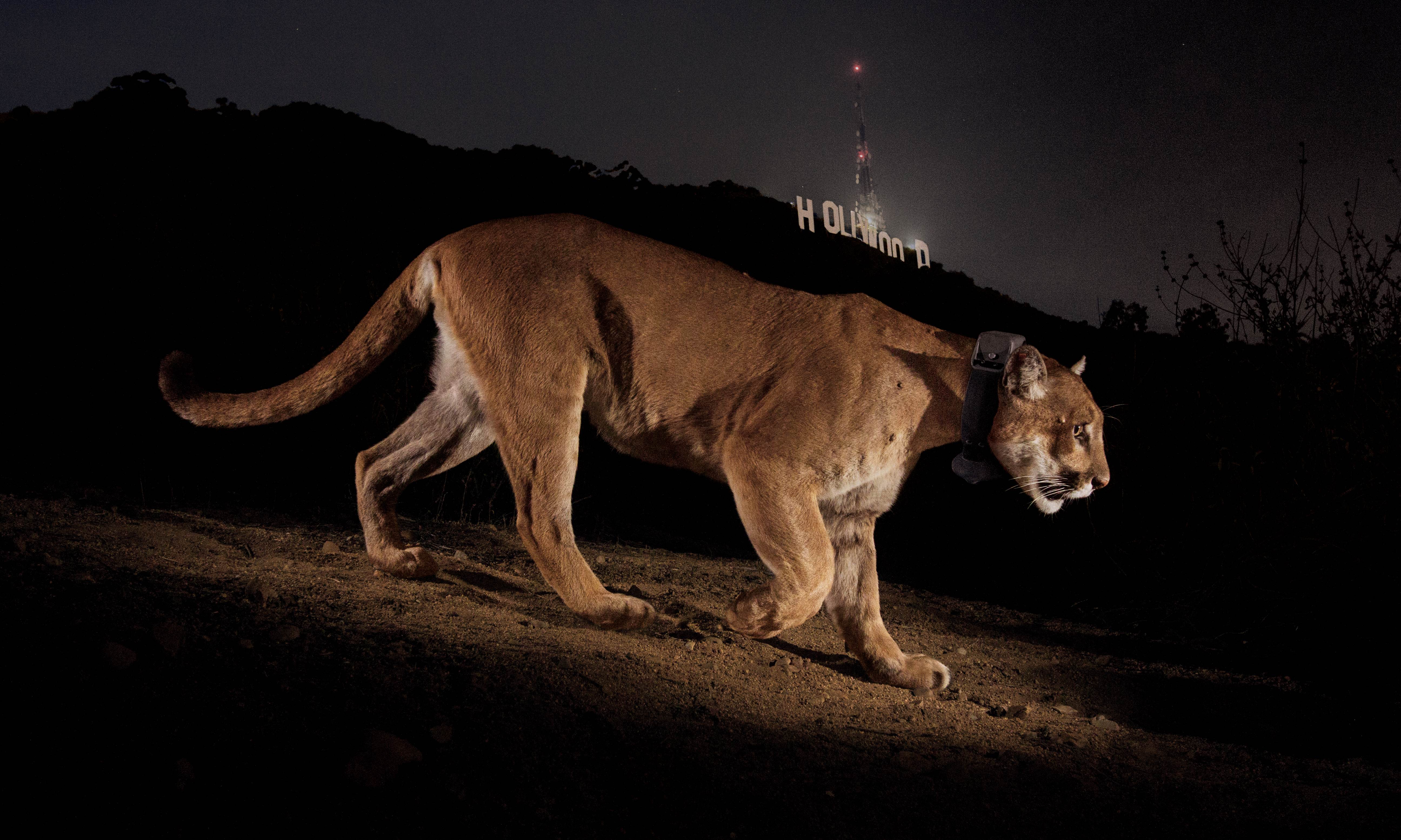
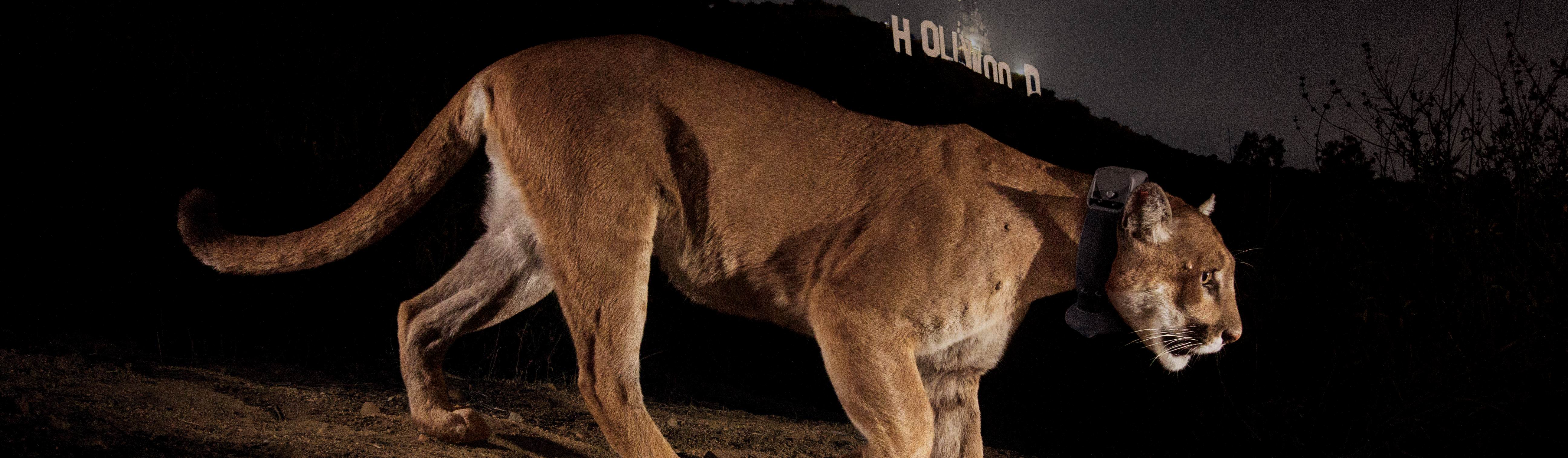
Living Pathways will combine the powers of community building, technology, local empowerment, education and storytelling, to promote human–wildlife coexistence in the world’s unprotected landscapes, complementing the 30x30 Initiative.
Help Create a World Where We Can Thrive Together
Your support for the Living Pathways program contributes toward designing and implementing effective coexistence solutions, from enhancing habitat connectivity to mitigating human-wildlife conflict.
Sharing Space
The international community agreed to set aside 30% of the planet as protected areas by 2030. Achieving this 30x30 target is essential for slowing rates of biodiversity loss, but what will happen with the 70% that remain unprotected?
We are convinced that it is possible to build a future where humans and wildlife can thrive together in unprotected landscapes, if we are prepared to take immediate action.
Pathways to Coexistence
A major obstacle to addressing this grand challenge is our limited understanding of how animals move across human-modified landscapes. Living Pathways will use cutting-edge animal-tracking technology to give wild animals a voice, allowing us to ‘listen to’ — and accommodate — their needs.
In an unprecedented effort, we will produce a holistic understanding of animal behavior in human-modified landscapes, enabling innovative, context-appropriate and scalable approaches to environmental planning, conservation management and policy making.
Our work will not only benefit wildlife but will also strengthen ecosystem health and resilience, realizing nature’s full potential to contribute to a good quality of life for people.
A Global Vision
Living Pathways will build a network of field teams, to track thousands of animals across gradients of human activity worldwide, while working with local communities to support coexistence through education, storytelling and local action.
Living Pathways is a collaboration between the National Geographic Society and Explorer Christian Rutz, who is based at the University of St Andrews, Scotland, U.K. Our program aims to transform humanity’s approach to using land in unprotected areas, grow public support for urgent interventions, work with local communities to push for positive change on the ground, and, ultimately, forge robust pathways towards sustainable human-wildlife coexistence.
Now is the time to boldly reimagine land use on a global scale, to generate lasting benefits for both wildlife and people. We must not write off the unprotected 70% of our precious planet.
Featured Projects
Our Coexistence Innovators
Photographs by Joel Sartore, National Geographic Photo Ark
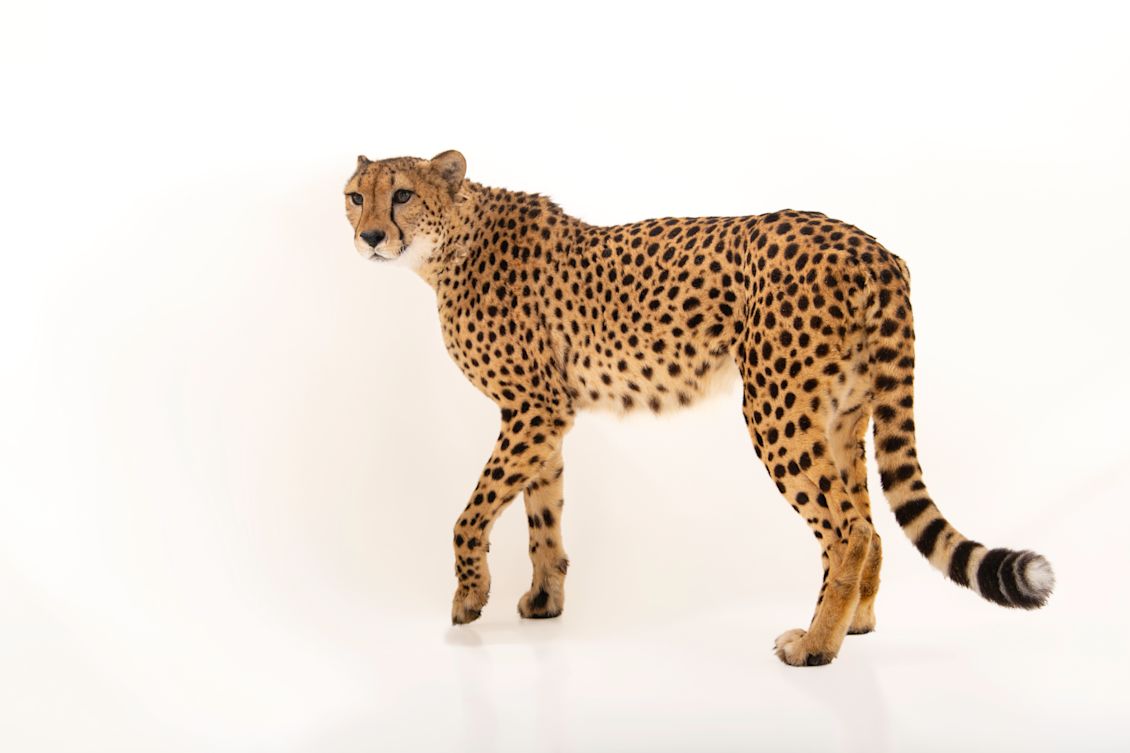
Tracking Cheetahs in Human-Dominated Landscapes
Explorer Catherine Sun studies how cheetahs adapt to dwindling prey populations and growing human development. Using tracking collars and field monitoring in Zambia, her team examines movement, hunting and risk avoidance. This research promotes coexistence between cheetahs and local communities.
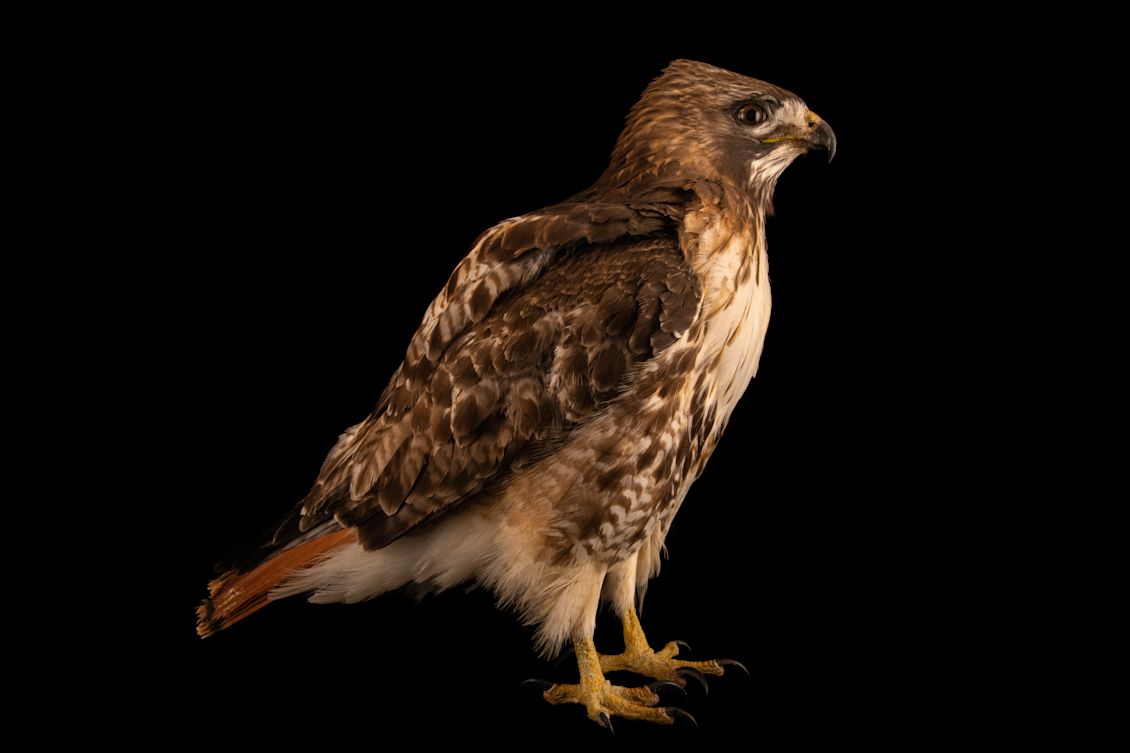
Tracking Red-Tailed Hawks in Contrasting Urban and Rural Environments
Explorer Stephen Blake, Sharon Deem, and their team study red-tailed hawks near St. Louis along the Mississippi flyway, using GPS tracking and health assessments. Their work supports human-wildlife coexistence through research, outreach and education.
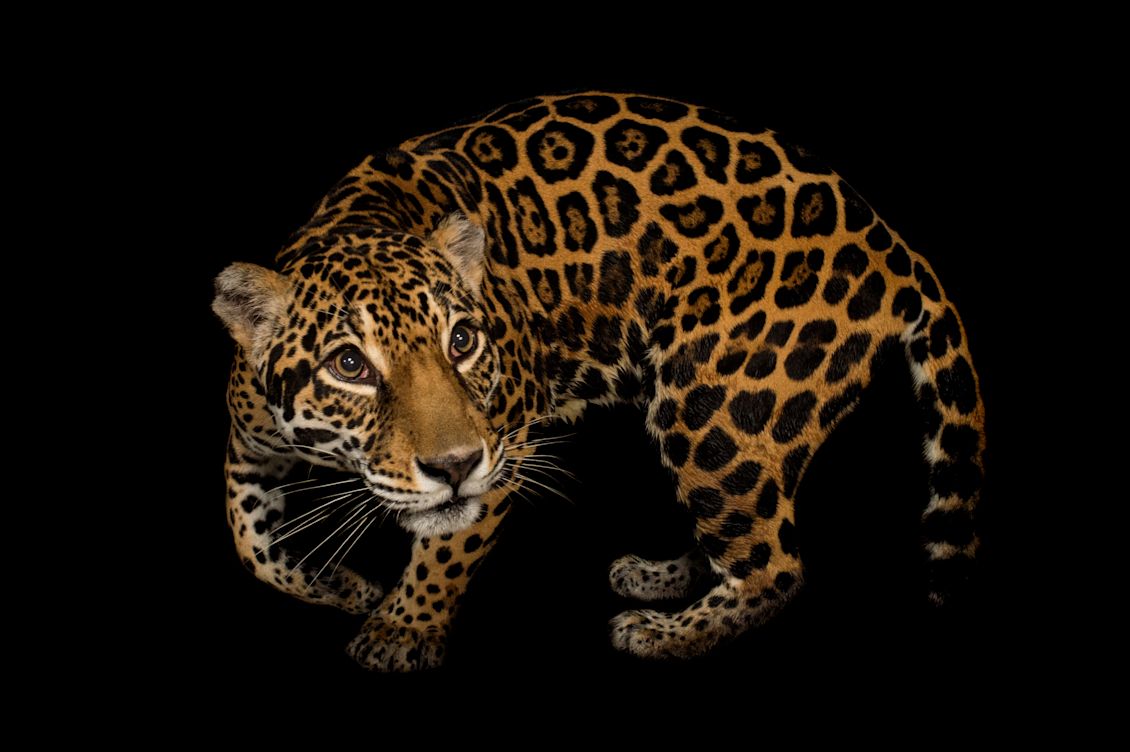
Tracking Jaguars to Optimize Movement Corridors
Deforestation, agriculture and development are fragmenting the Pantanal-Amazon Corridor, a link between rainforest and wetlands and two major jaguar populations. Explorer Ronaldo Gonçalves Morato tracks GPS-collared jaguars to identify key habitats and risk areas, protecting this vital corridor.
Get Involved With Living Pathways
If you are a researcher, practitioner, policymaker, storyteller or local community representative interested in engaging with, contributing to and helping advance the Living Pathways program, we want to hear from you. Please fill out our contact form.