
The National Geographic Society and PepsiCo are collaborating to harness the power of science, storytelling and education to inspire positive change throughout the global food system, with a focus on regenerative agriculture.
Why It Matters
A Collaborative Approach

“Our future will be shaped by how we grow our food today — and we're reimagining what's possible when that system nourishes both people and the planet. In collaboration with PepsiCo, we're investing in bold solutions and the farmers, scientists and storytellers leading this essential work. We're proud to fuel a global movement, rooted in science and hope, to help build a thriving future for generations to come.”
“Climate change is putting pressure on the global food system, and farmers feel it every day. As a company rooted in agriculture, we know just how fragile — and vital — that system is. But there are solutions that can help make businesses and farmers more resilient. Food for Tomorrow combines PepsiCo's food system expertise with National Geographic's power to advance science and inspire action. Together, we're aiming to support farmers, protect the planet and help build a more resilient future.”
A change is needed in the way food is grown, because the choices we make today will shape the world of tomorrow.
Feeding a growing population while ensuring a thriving planet is a complex and challenging task. By 2050, UNESCO estimates that close to 90% of the planet’s soil will be degraded if current trends continue, while the world population is expected to reach 10 billion.
Why does this matter? Degraded soil affects plant health and nutrition, making it more difficult for farmers to grow food as well as sustain their livelihoods. Soil is also key to avoiding desertification and minimizing greenhouse gas emissions from agriculture, as healthy soil has a natural ability to store carbon underground instead of releasing it into the atmosphere.
The Promise of Regenerative Agriculture
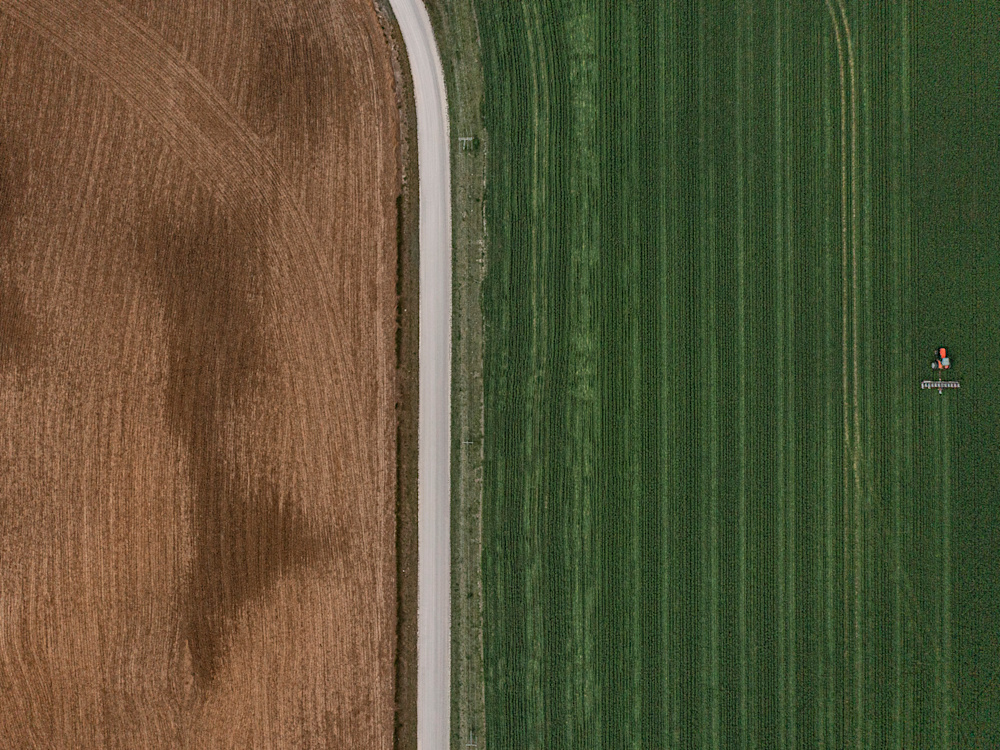
Regenerative agriculture — a set of practices that farmers use to prioritize soil health, improve watershed health and enhance biodiversity — can provide us with the food we eat by working with nature, not against it. These practices often leverage long-standing traditional knowledge with modern-day technology and scientific innovation to blend generations of expertise from people closest to the land.
This program will shine a light on farmers, communities and researchers around the globe that are putting regenerative agriculture into practice using techniques like:
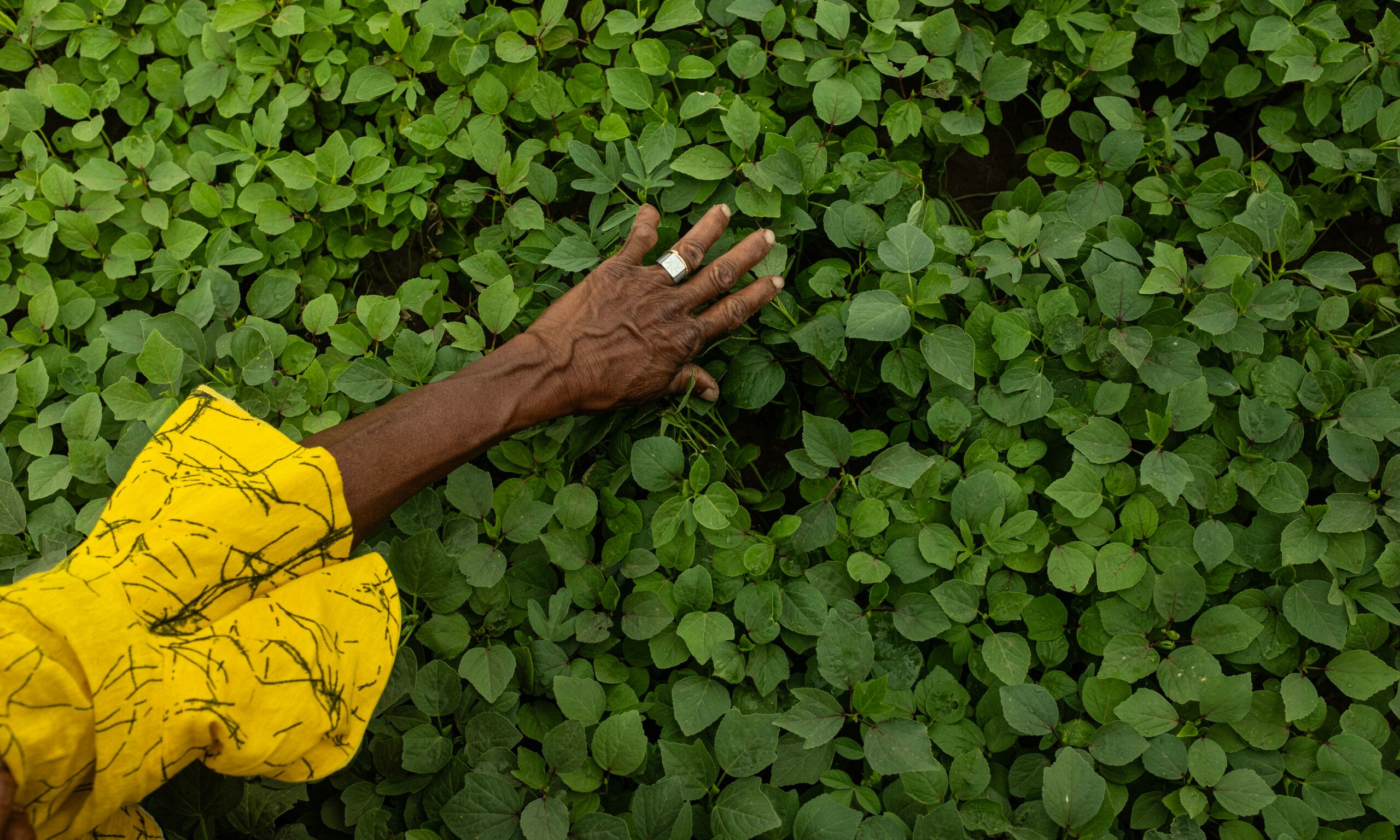
- cover crops that ensure soil is never left bare for long — minimizing the disturbance of soil by leaving roots in the ground and reducing plowing or tilling
- intercropping — planting different types of crops that benefit each other in the same field
- lessening dependence on chemical fertilizers through applying compost;
- efficiently using water
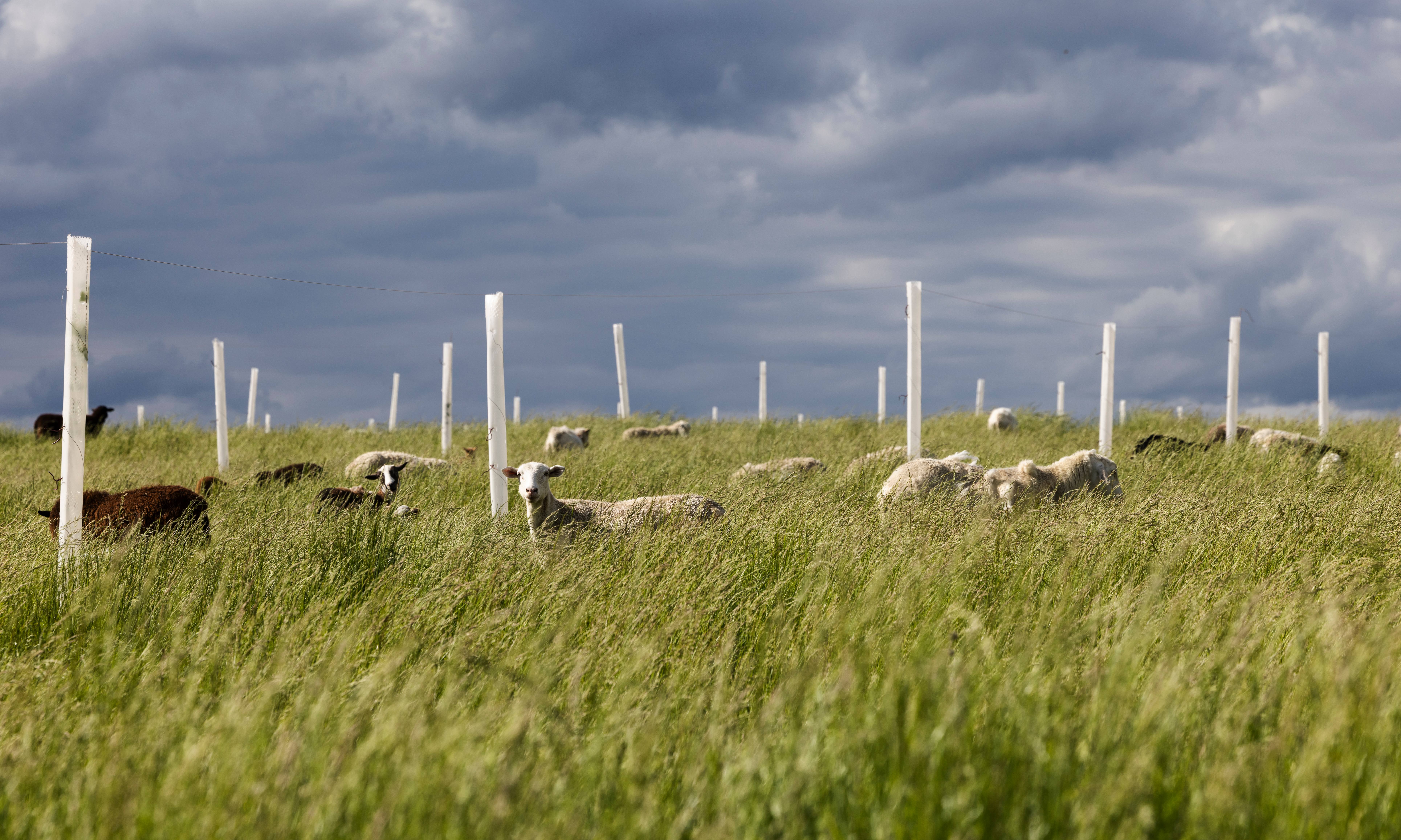
- moving grazing livestock between different pastures and
- various agroforestry approaches
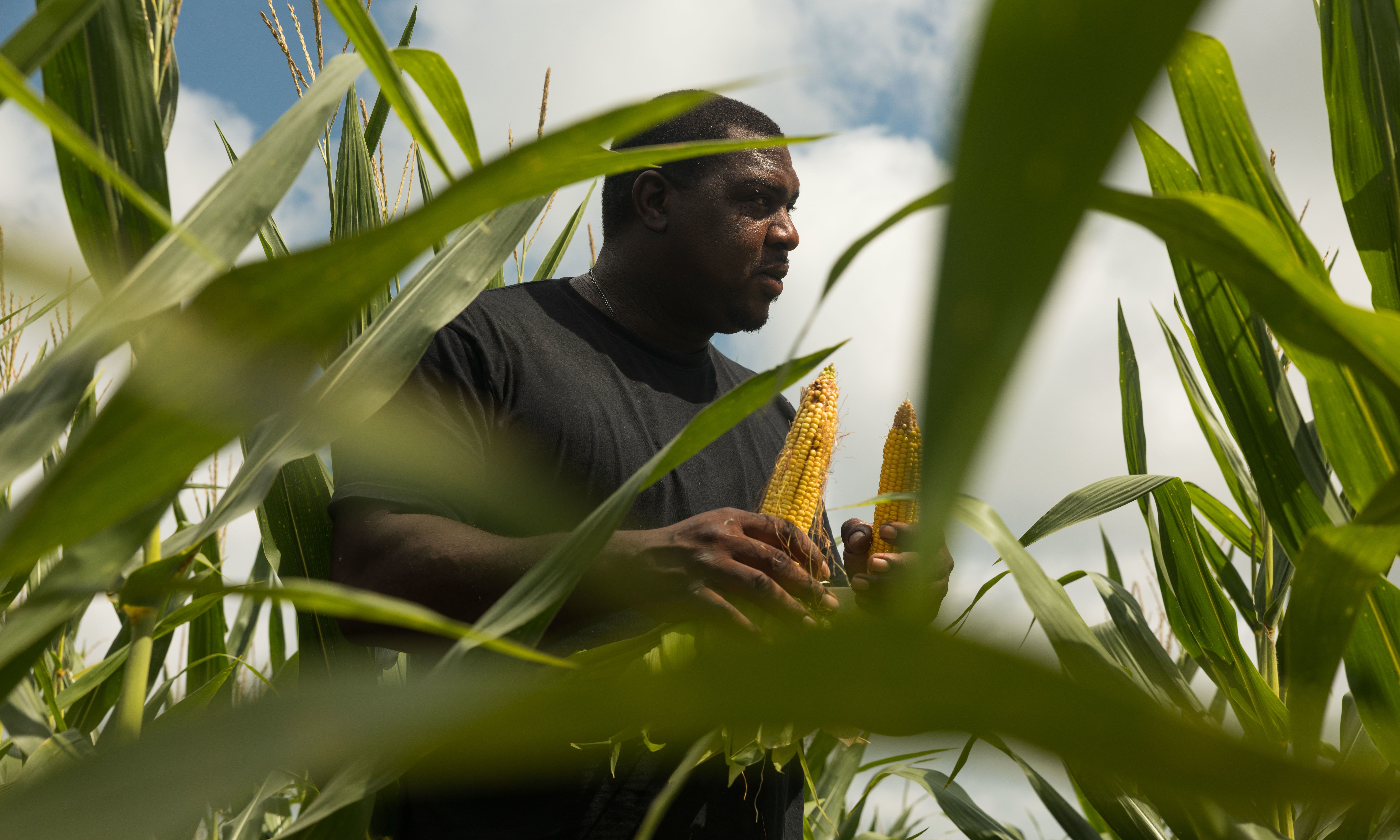
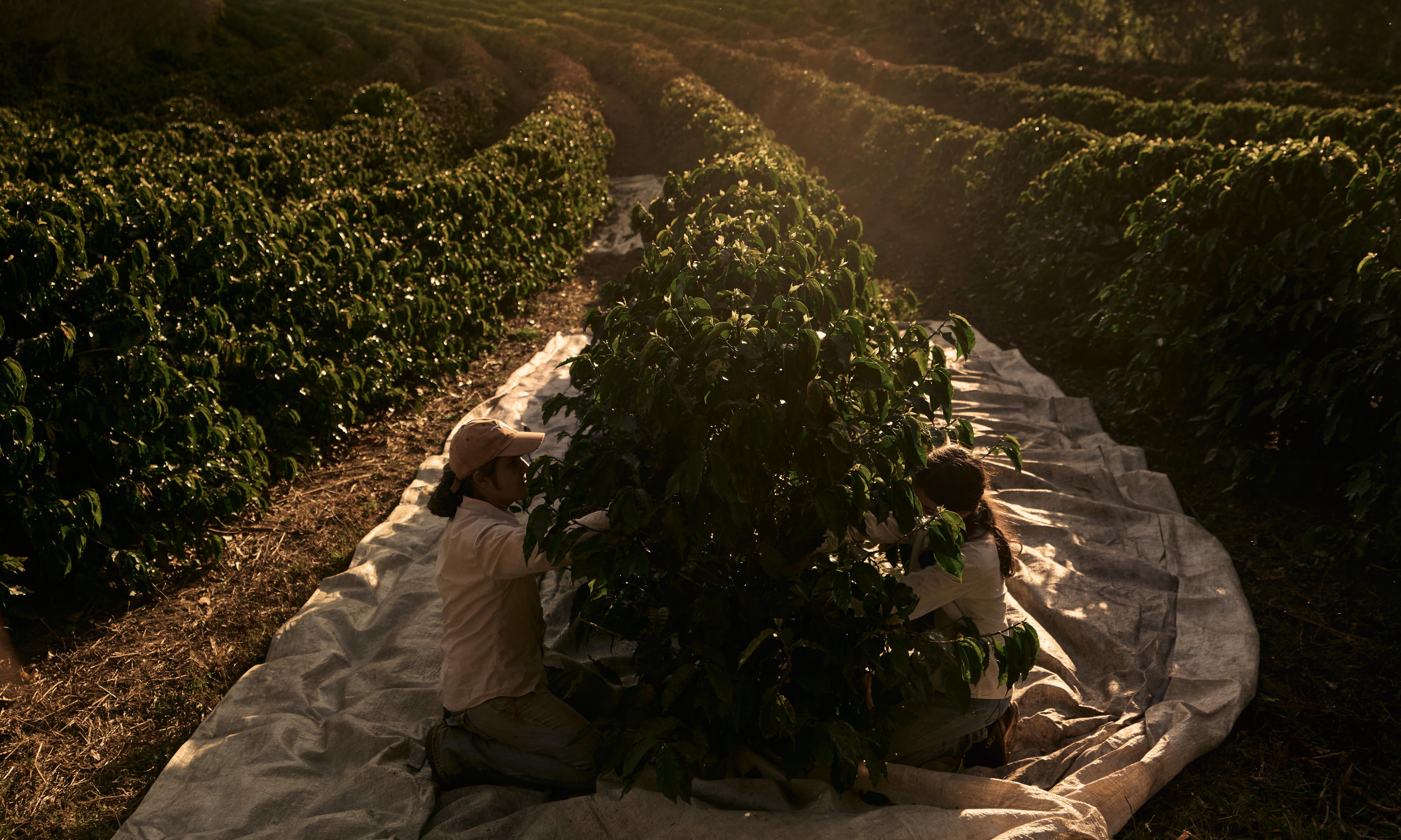
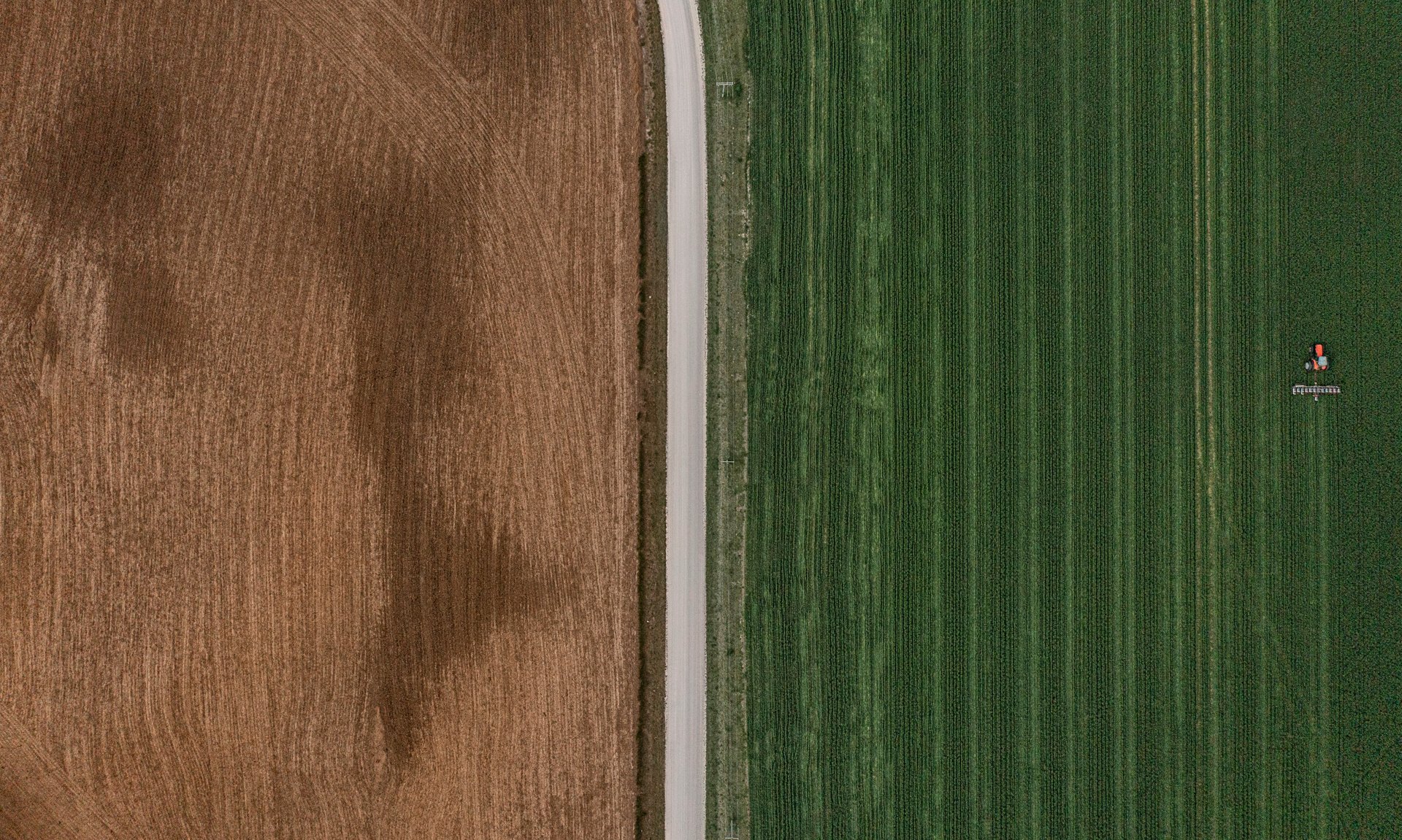
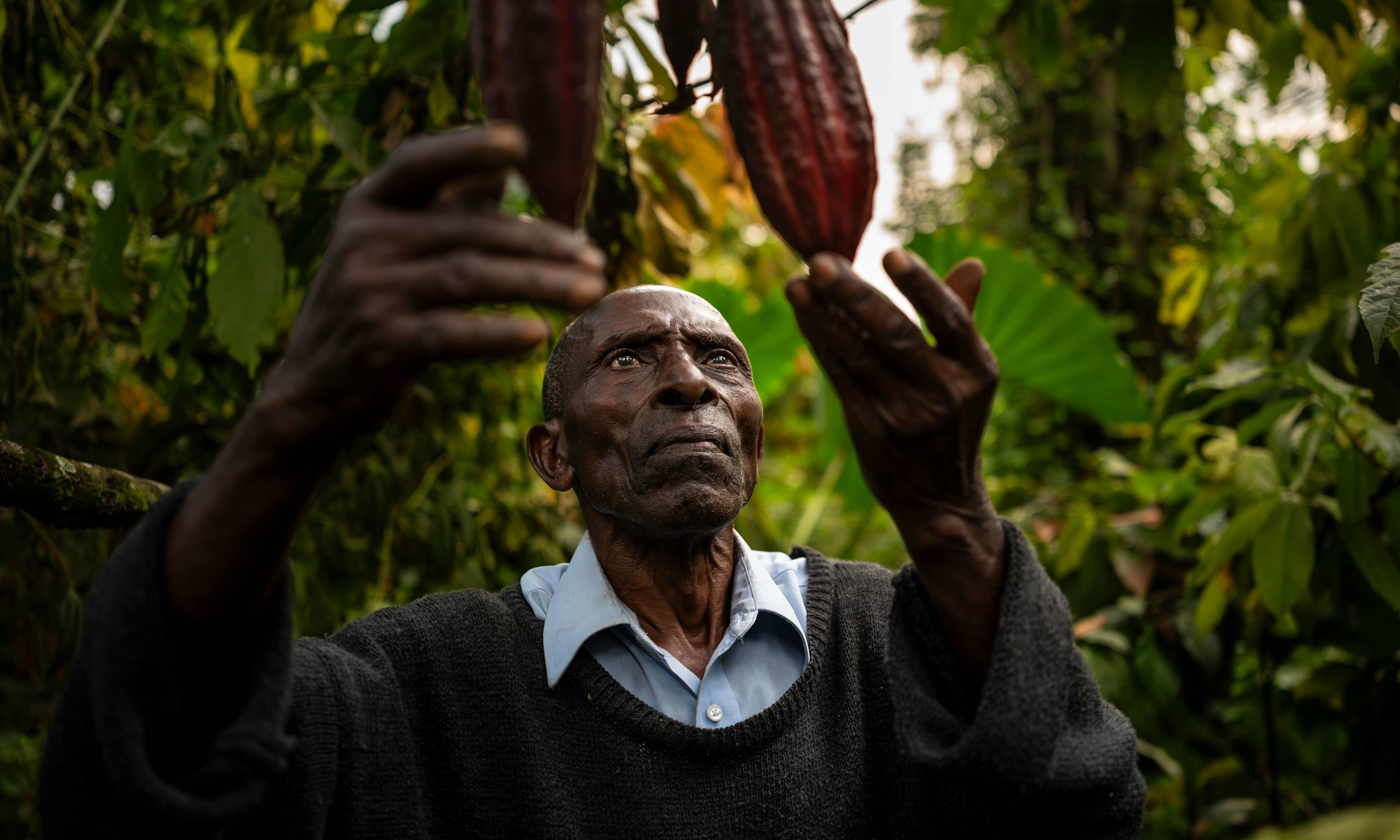
Meet the National Geographic Explorers and Storytellers

Pablo Albarenga
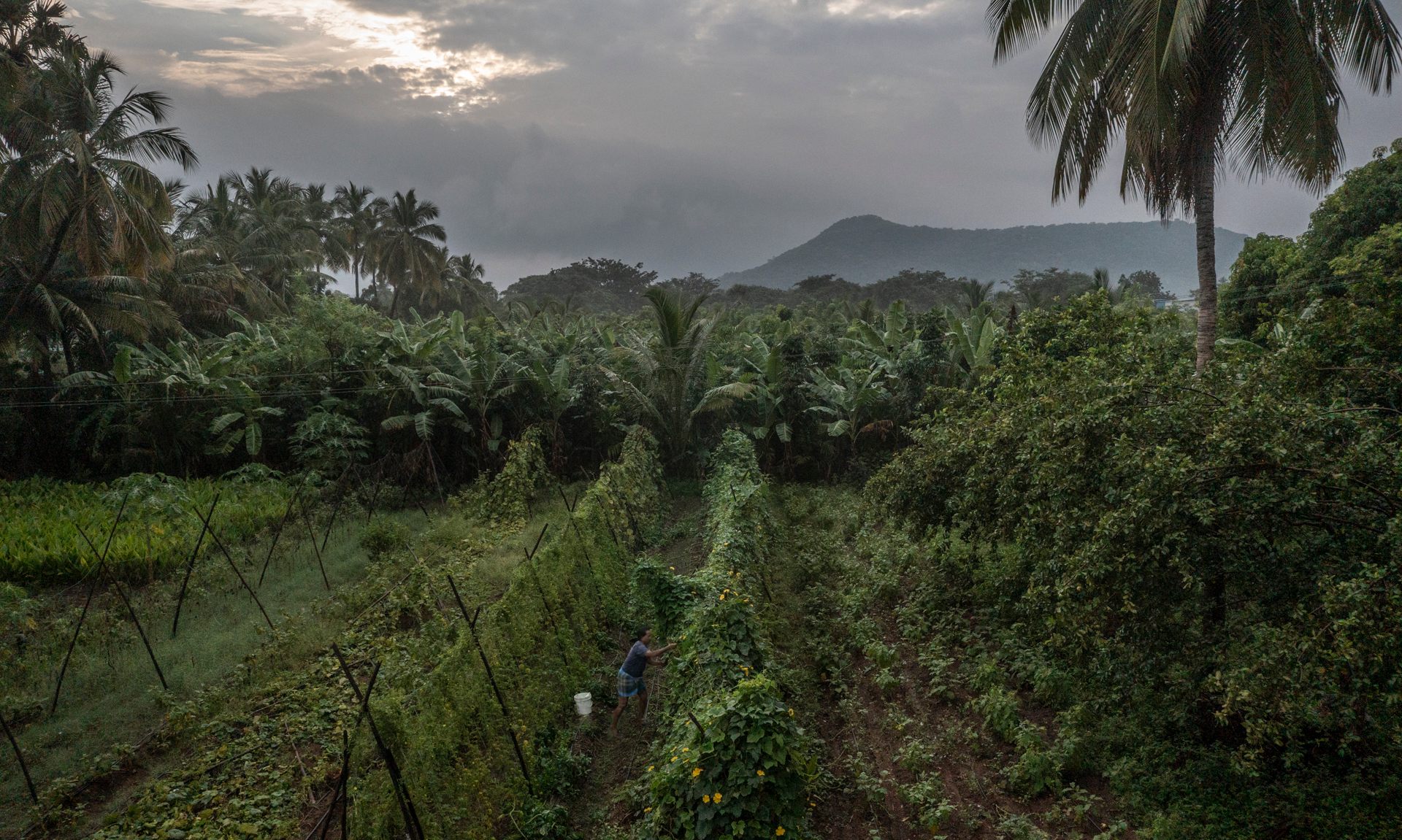
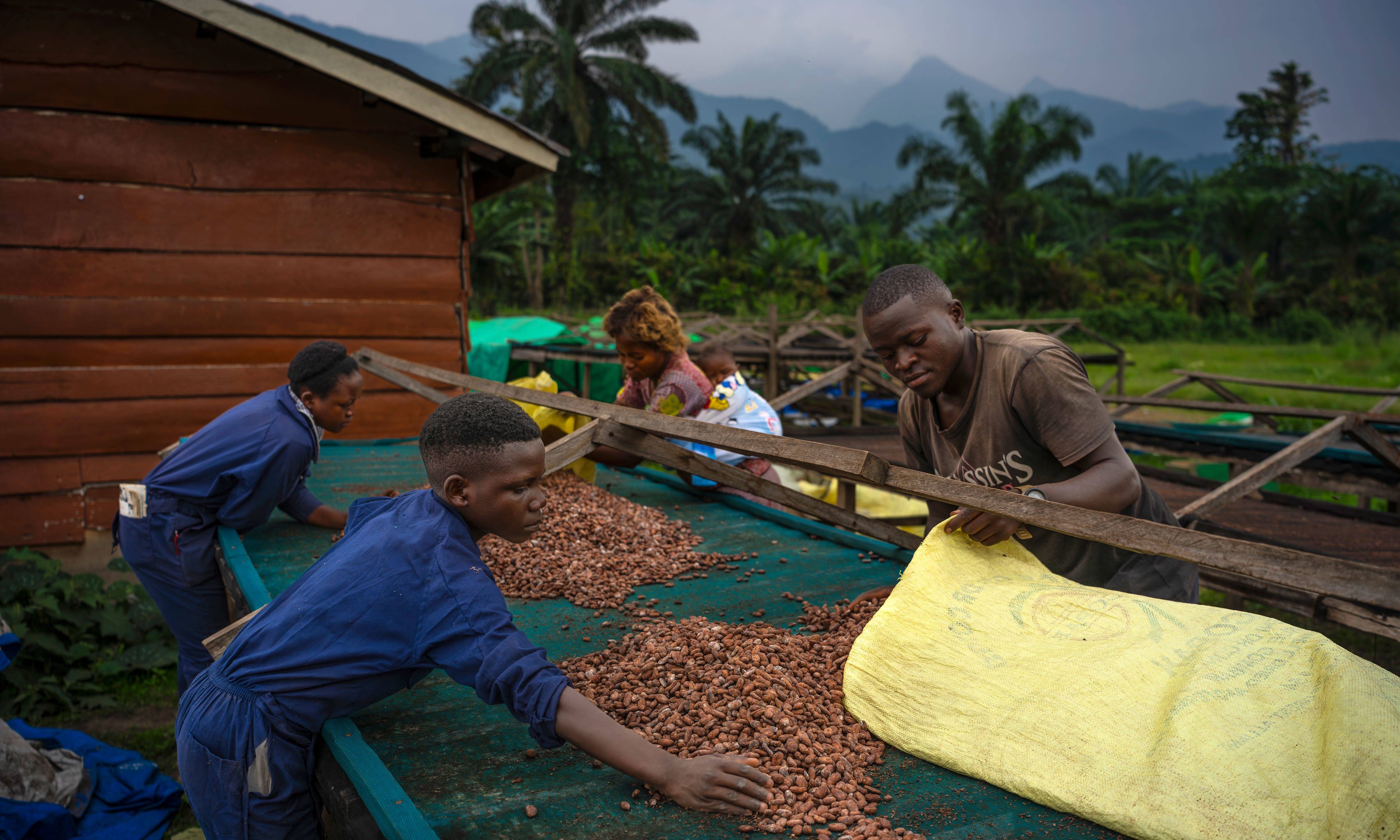
Albarenga aims to portray the “Global South not as a region defined solely by crisis,” he emphasizes, “but as the epicenter of innovative solutions and hope in the face of climate change.” He will document stories of farmers and Indigenous communities leading a silent regenerative revolution.

Caitlin Ochs
Ochs will document the regenerative movement in the U.S. and Costa Rica using the power of photography, video and audio. She will showcase innovative and scalable progress through farmers’ perspectives to connect the public with their stories and influence better-informed policy.

Miora Rajaonary
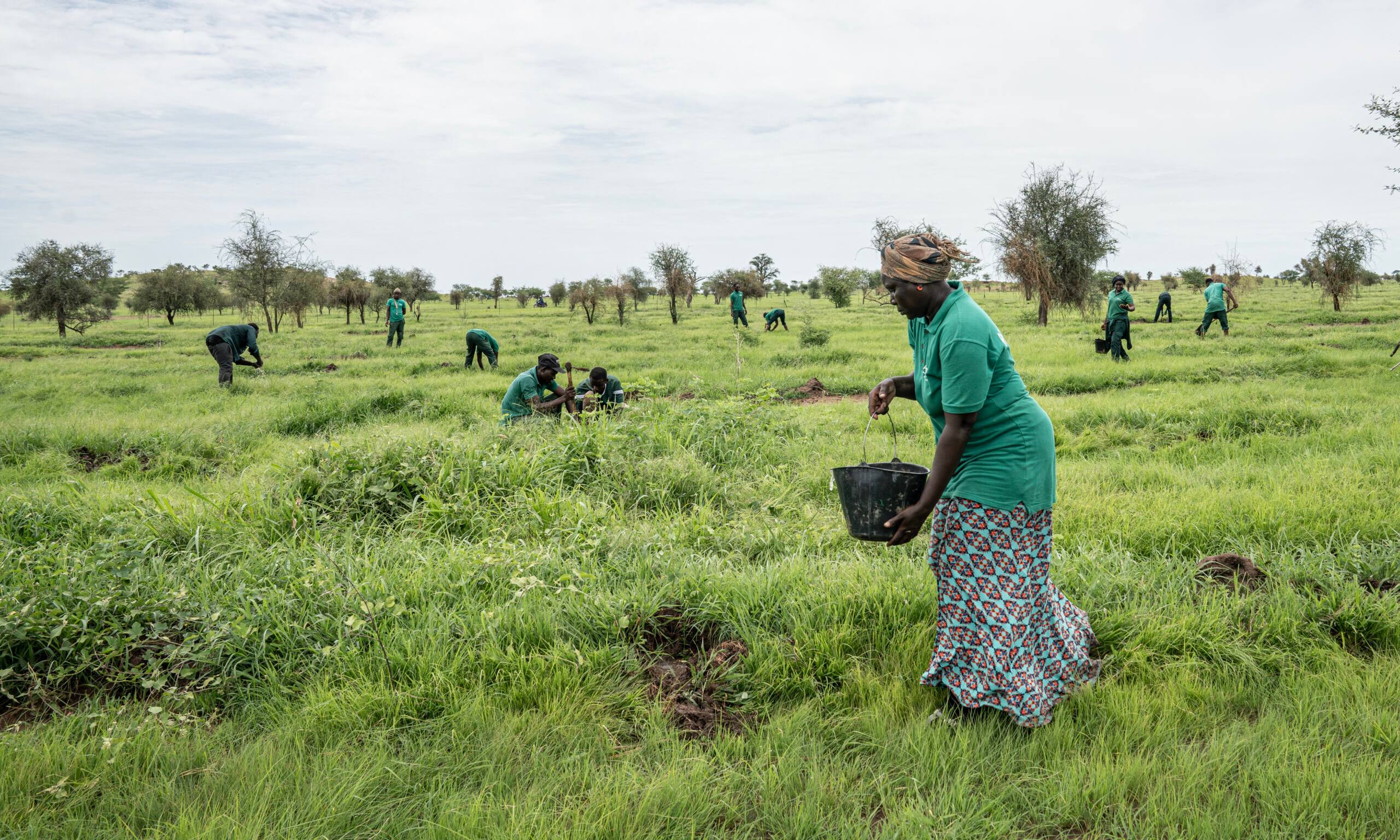
Using the power of photography and documentary film, Rajaonary will tell the stories of people in the Sahel who are participating in the Great Green Wall of Africa, an ambitious project to create a ‘wall’ of trees and productive land stretching over 8000km across the desert.

John Stanmeyer
Stanmeyer will immerse into the causes of soil degradation across five continents, creating evidence of human impact on soil, spreading desertification and emerging solutions. He will also create a testimony that highlights local "soil heroes" to inspire and guide others.

Brent Stirton
Through a photo essay and potential exhibitions, Stirton will showcase the transformative potential of regenerative agriculture in reversing climate change, improving food security and empowering farmers globally by sharing stories of sustainable farming.
Meet the National Geographic Explorers and Scientists

Ahan Dalal
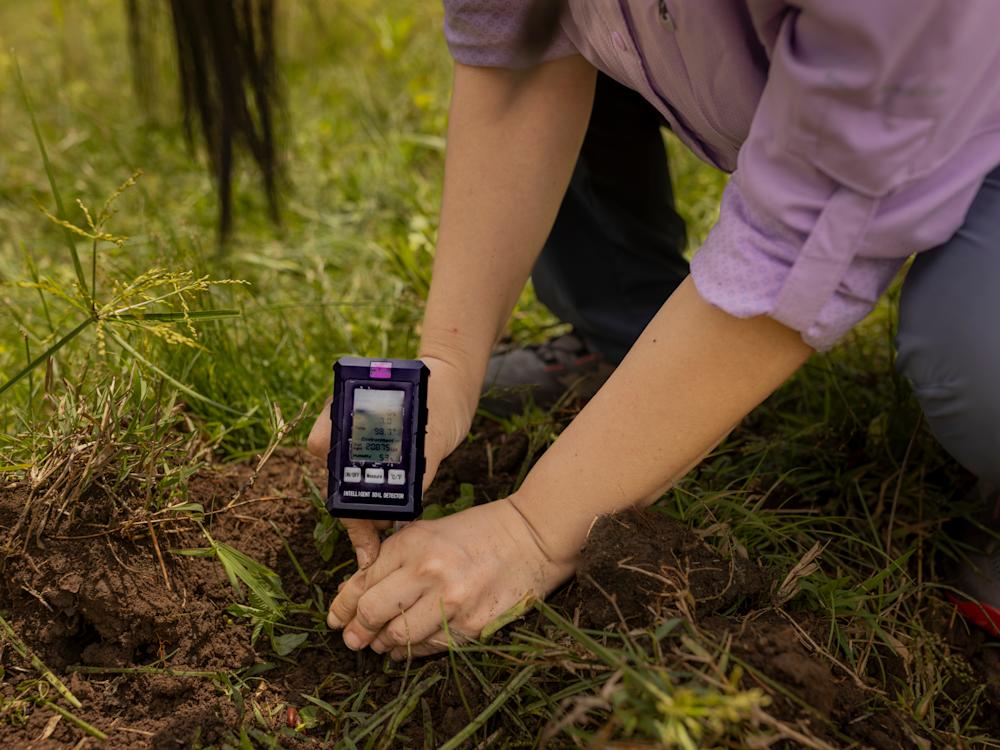
In climate-stressed Spain, Dalal will partner with wheat and maize farmers to test locally rooted, regenerative agriculture practices such as biochar, cover crops and beneficial microbes under normal watering and drought scenarios, developing a blueprint for resilience that can spread across the Mediterranean.
Hewan Demissie Degu
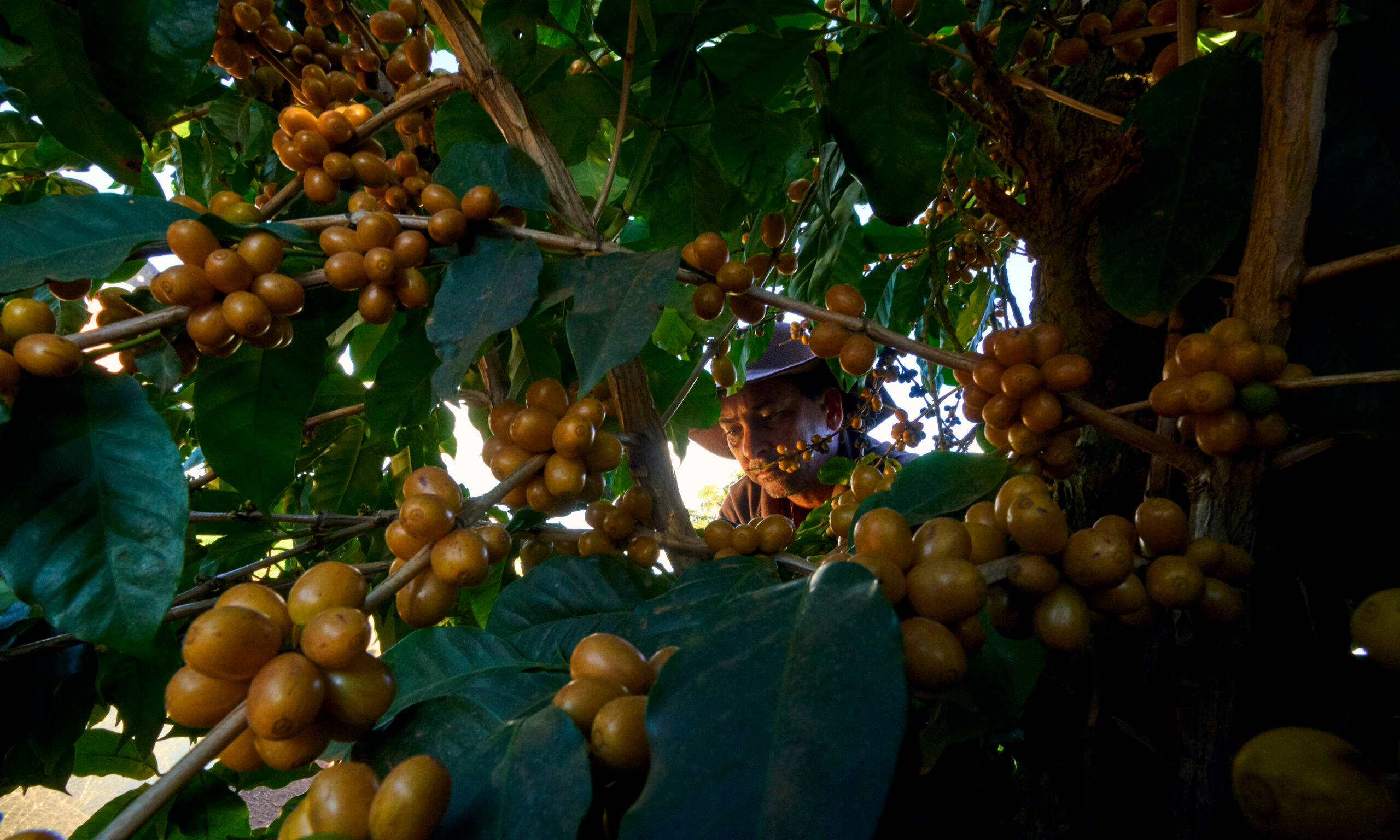
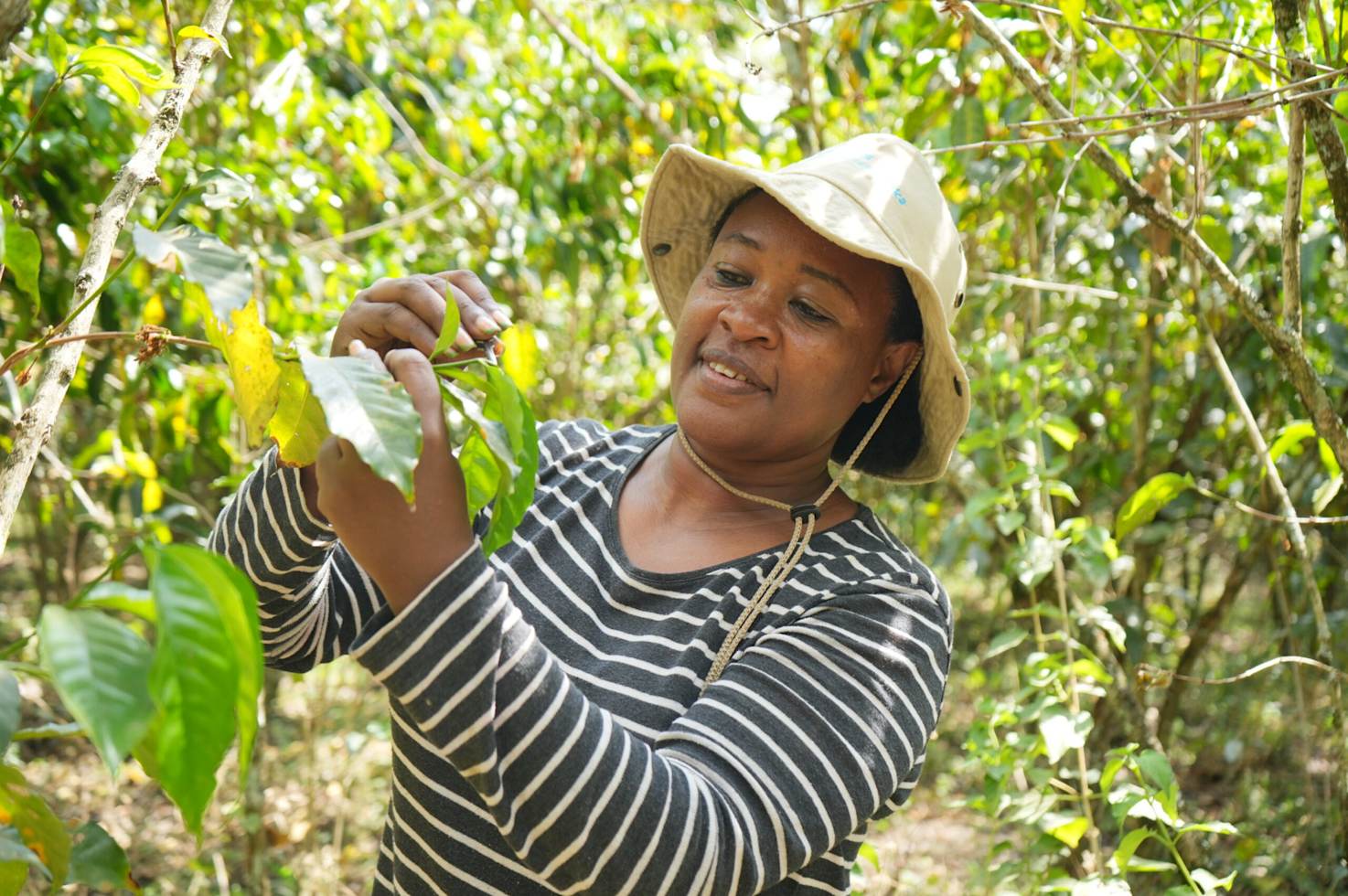
In the birthplace of coffee, Degu’s work aims to protect its future — building the microbial evidence base for regenerative coffee and potato intercropping systems in Ethiopia and learning alongside farmers to guide on-farm application and uptake.

Al Greeny Savitri Dewayanti
On Indonesia’s depleted maize fields, Dewayanti will test the soil regeneration benefits of intercropping sacha inchi, an omega-3 rich vine, while also incorporating DNA metabarcoding and an early-stage AI-powered farmer app combining indigenous knowledge with modern science and digital tools.
Omar de Kok-Mercado
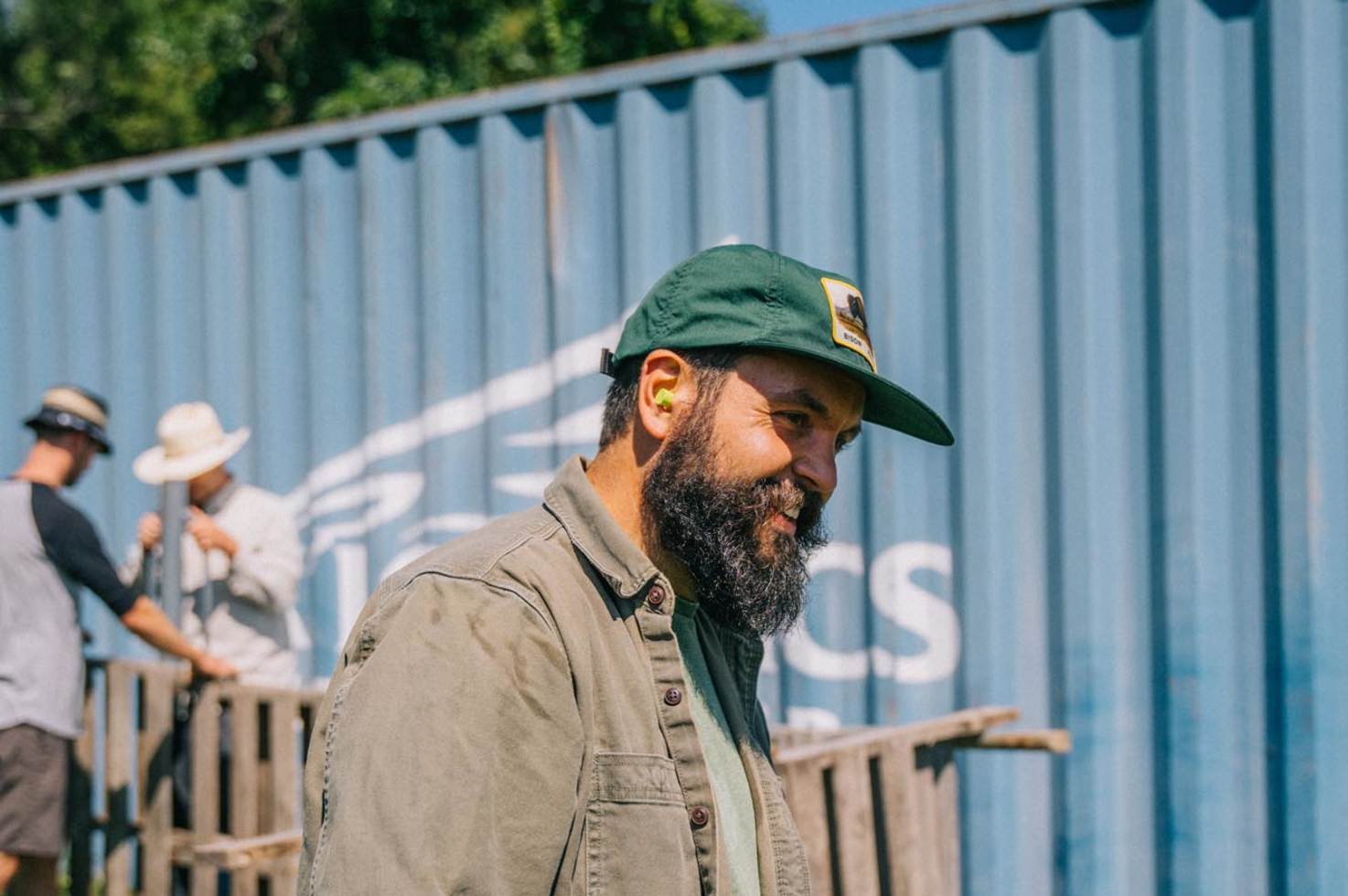
Across maize, soy and wheat farmlands of southwestern Wisconsin, de Kok-Mercado is rebuilding biodiverse corridors through a connected "wild grid" of native prairie plantings on marginal farmland. The project blends ecological data with art and storytelling to advance evidence-based, landscape-scale regeneration.
Jamie Spychalla
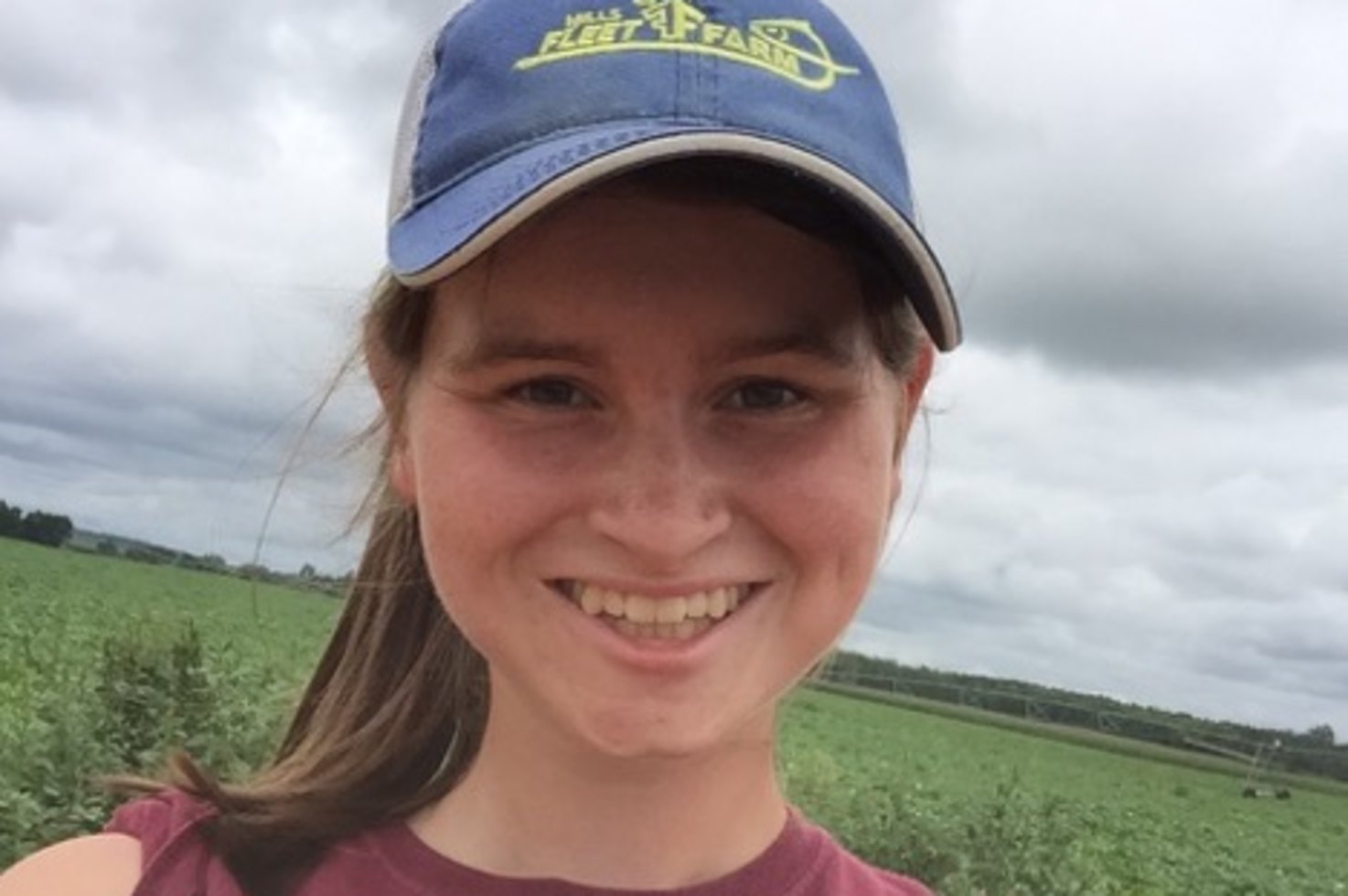
In Wisconsin, a critical hub for potato production in the U.S., Spychalla’s on-farm research will study the benefits of integrating nitrogen-fixing alfalfa as a rotational, harvestable cover crop to mitigate climate-induced moisture stress, regenerate soils and improve yields — engaging farming communities along the way.
Latest News and Stories
Global Regenerative Agriculture Stories
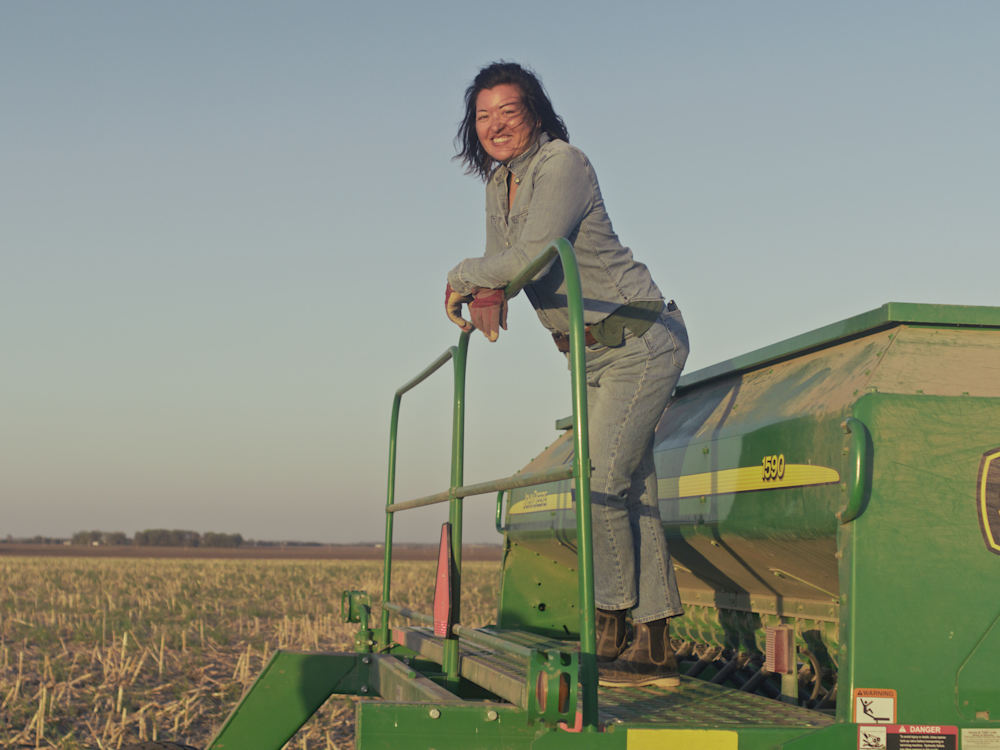
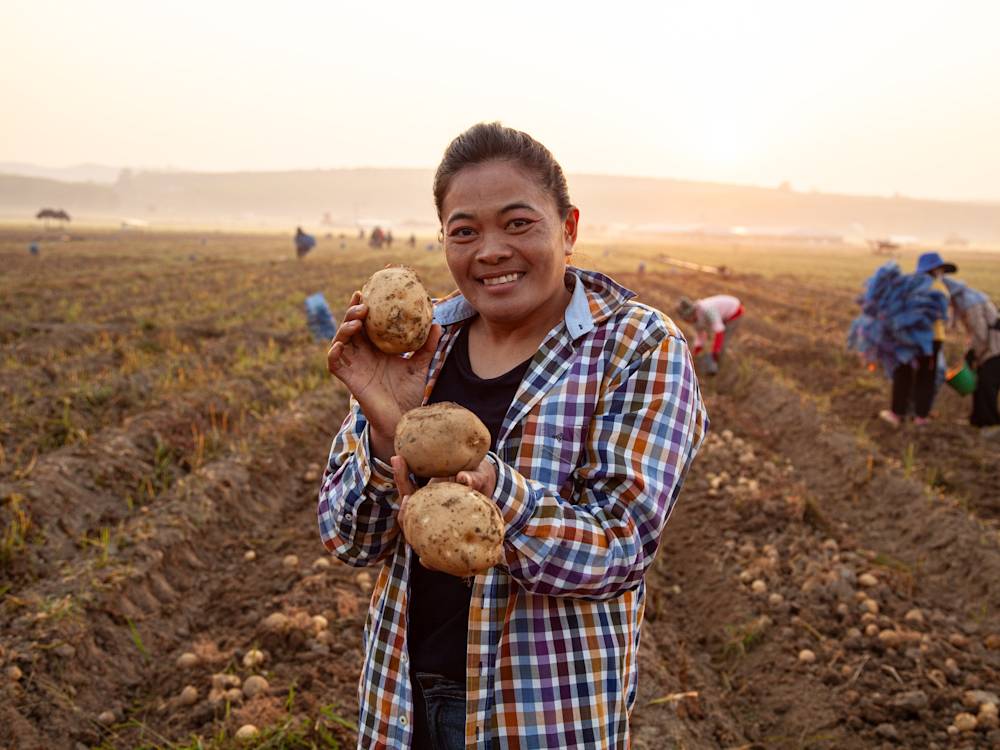
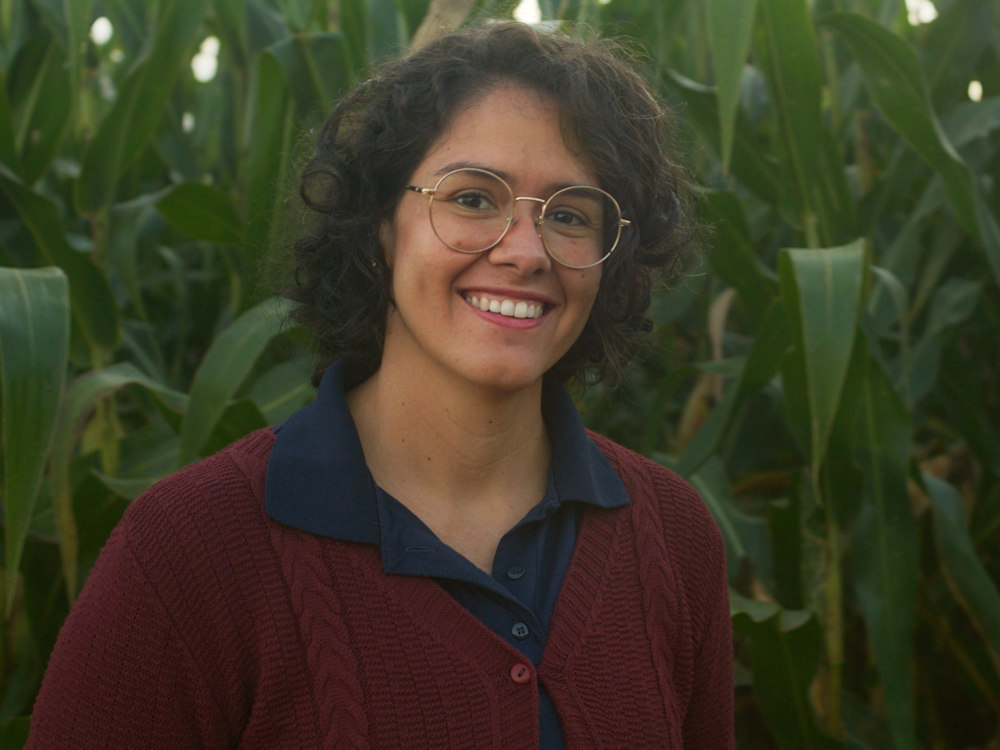
Through a collaboration with National Geographic CreativeWorks, PepsiCo has profiled farmers around the world that are part of the regenerative agriculture transition.
Latest News
Learn more about PepsiCo’s sustainable sourcing efforts, including around regenerative agriculture.