High-alpine Environments
In 2019, Perpetual Planet Expeditions launched a series of expeditions in response to the urgent need to document and understand high alpine mountain systems facing increasing threats from climate and environmental change.
These expeditions focused on three key regions where mountains and their freshwater resources are most critical to downstream communities and are facing the greatest risk from climate change: Hindu-Kush Himalaya, southern Andes and western Canada. Data from these regions, which have largely been out of reach until now, have created the clearest picture yet of how scientists, decision-makers and local communities can plan for and find solutions to both present-day and future change.
continents
expeditions
National Geographic Explorers
team members
Everest Expeditions
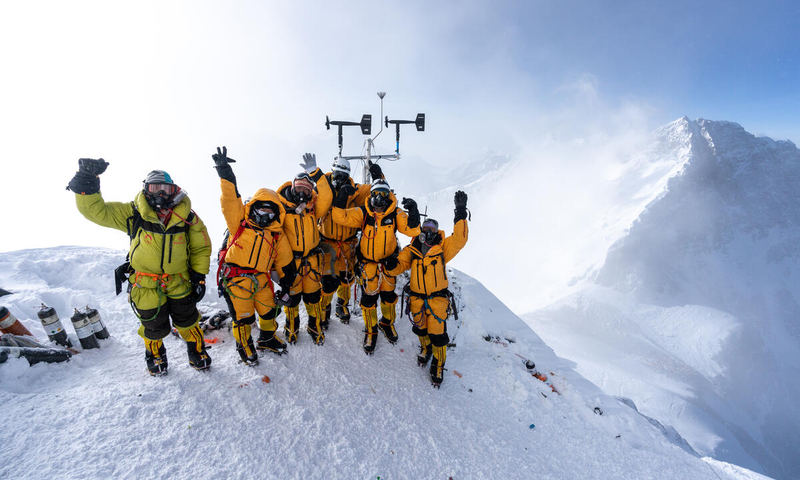
Beginning in 2019, Perpetual Planet Everest Expeditions carried out six scientific expeditions to Mount Everest, including one of the most comprehensive scientific expeditions ever conducted on the mountain.
Through record-breaking scientific achievements, widely used education resources, world-class storytelling and deep partnerships with Nepali communities, the expeditions have illuminated Mount Everest like never before as it confronts unprecedented climate and environmental change.
Impact
- Installed five of the highest weather stations in the world
- Provided open access, real-time weather data from the “death zone” (above 8,000 meters)
- Extracted the highest-altitude ice core from a mountain
- Improved forecasts for Sherpas, climbers and rescue pilots
- Determined the first-ever baseline data of Mount Everest’s biodiversity using environmental DNA (eDNA)
- Created the highest-resolution maps of the Khumbu Glacier and Everest Base Camp
- Ongoing capacity building and collaboration with local scientific and Sherpa communities
Tupungato Volcano Expedition
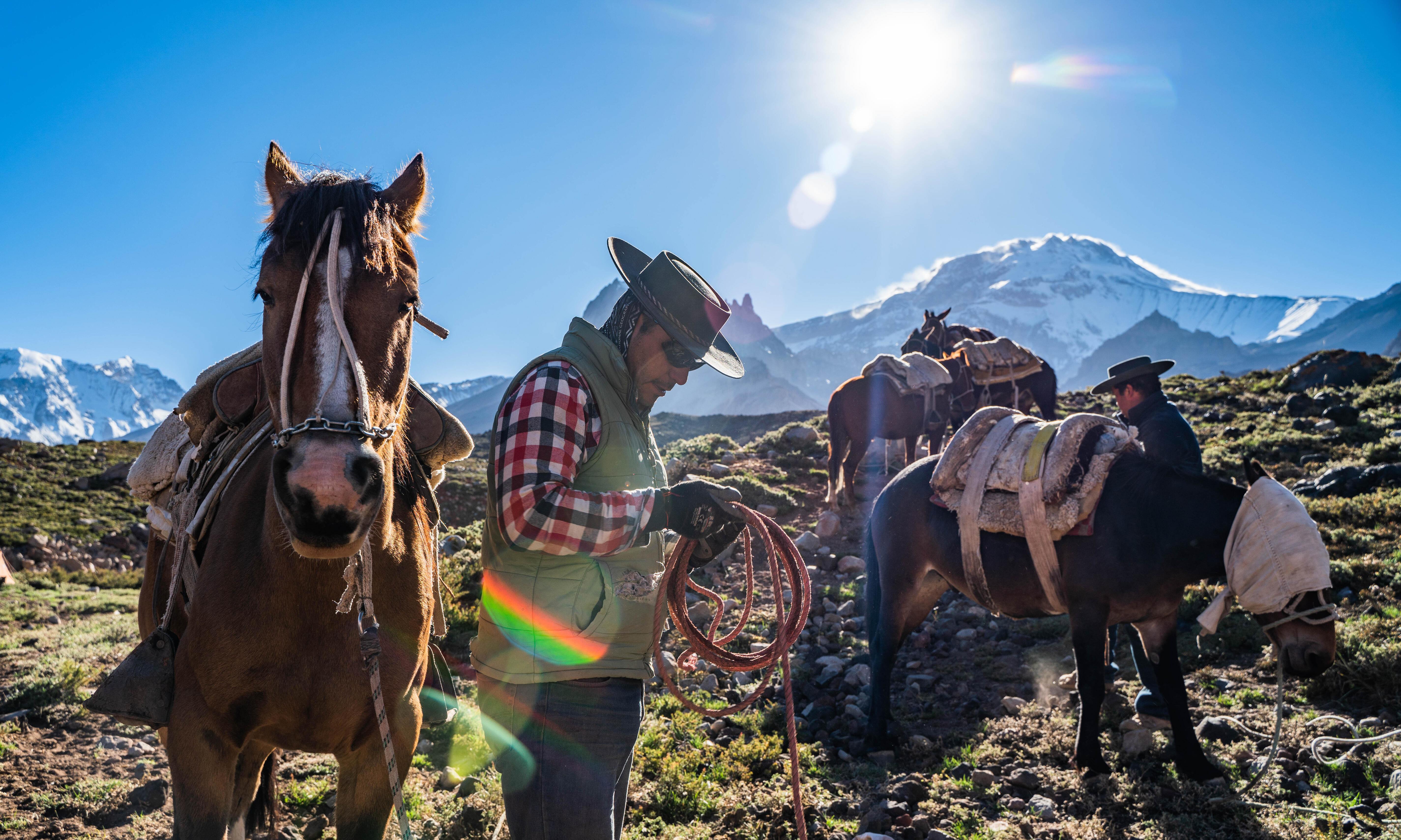
In February 2021, as part of the Perpetual Planet Tupungato Volcano Expedition, a team of National Geographic Explorers, Chilean scientists and local mountaineering guides installed the highest weather station in the Southern Hemisphere at the time.
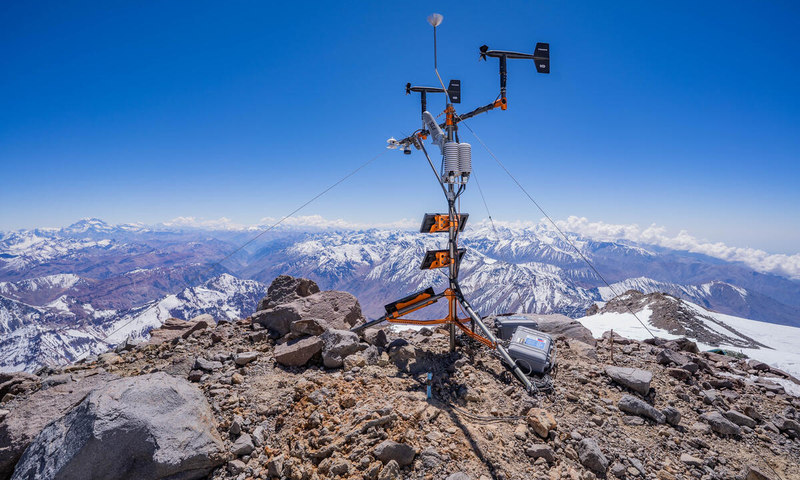
The weather station transmits freely accessible data on the conditions of one of South America’s most vulnerable water towers.
Impact
- Installed one of the highest weather stations in the Southern Hemisphere at 6,505 meters
- Providing previously inaccessible information on climate change in the High Andes
- Data is helping guide the Government of Chile’s response to the region’s ongoing megadrought
Mount Logan Expedition
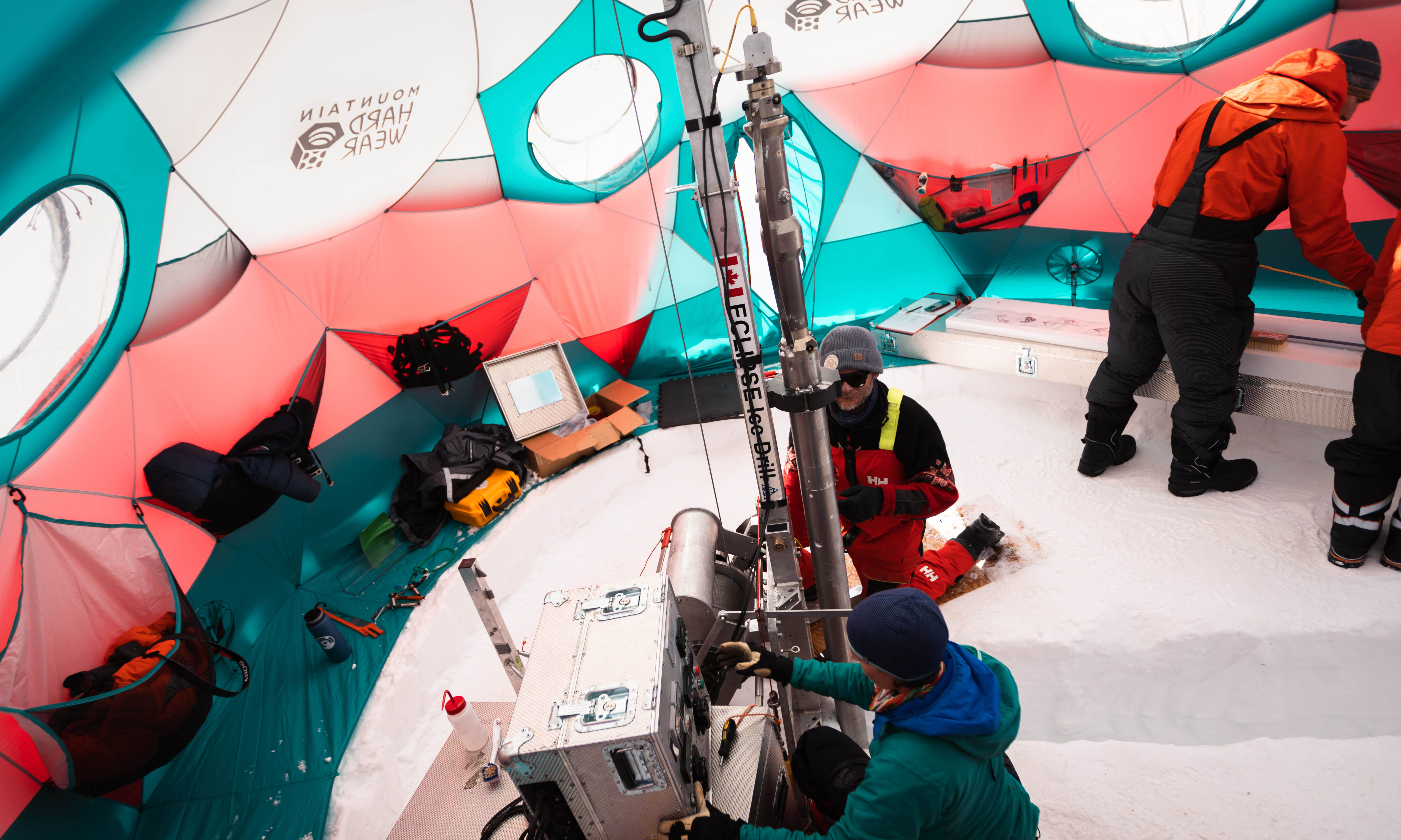
In May 2022, National Geographic Explorer Alison Criscitiello and a team of six scientists and climbers embarked on the Perpetual Planet Mount Logan Expedition, a groundbreaking expedition to the highest mountain in Canada to extract an ice core from its summit plateau. Criscitiello also installed the highest weather station in North America on Mount Logan a year earlier. Taken together, they facilitate an unprecedented understanding of the past and the present so we can predict and adapt to future change.
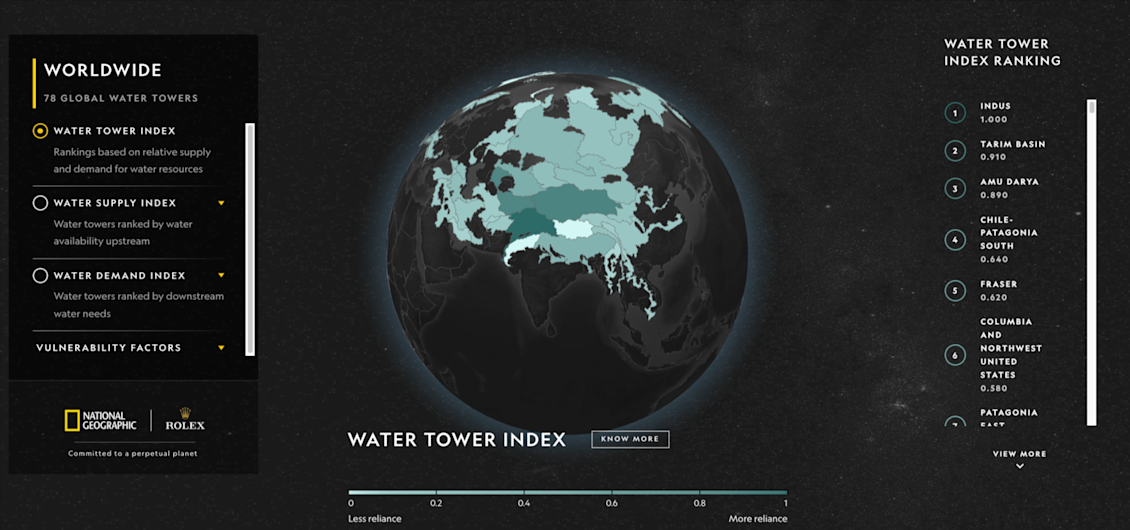
Water Tower Index
Earth’s mountain glaciers, which act as “water towers,” are increasingly at risk. Perpetual Planet Expeditions worked with experts to develop the Index to identify the most critical yet vulnerable water towers, and launched expeditions to gather scientific data from three of these key regions.