Seashore to Seafloor
From seashore to seafloor and from pole to pole, Perpetual Planet Ocean Expeditions integrates cutting-edge science and local ecological knowledge to examine the causes and impacts of marine systems change throughout the largest and most vital ecosystem on Earth — the Ocean.
Through a combination of Explorer-led research, collaboration with coastal communities and world-class storytelling, the expeditions is revealing the diversity and connectivity of these unique and vulnerable ecosystems while developing bold and innovative solutions to help protect, restore and rebalance our planet’s largest biome.
ocean
basins
National Geographic Explorers
community members
The Southern Ocean
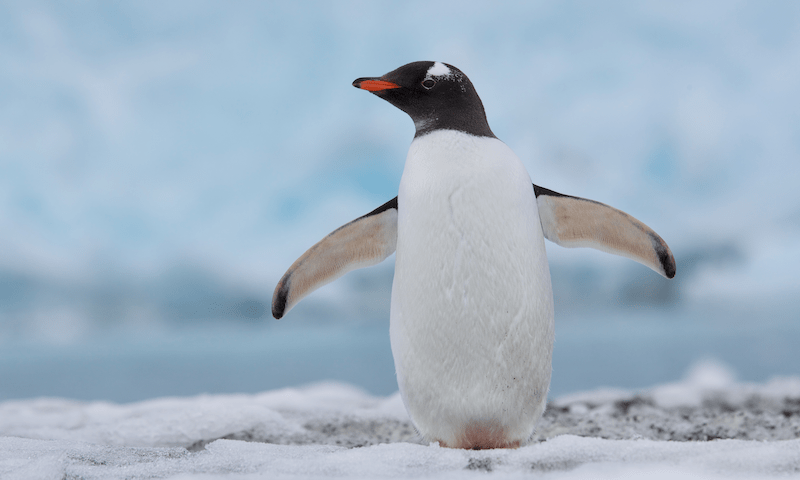
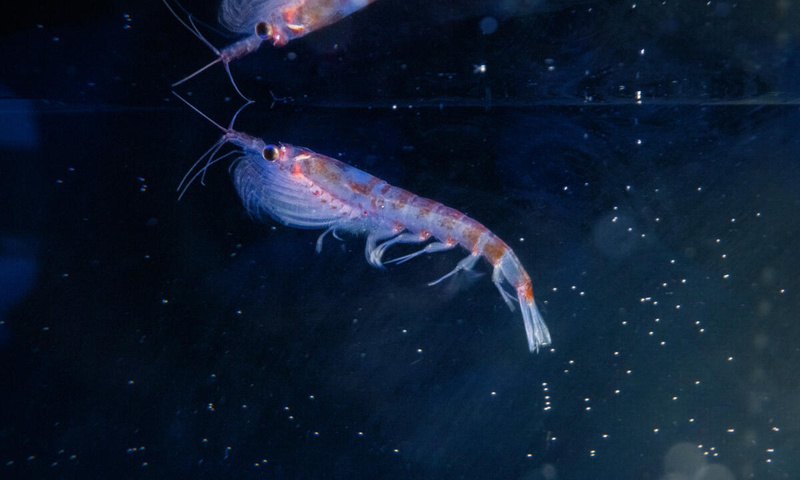
The Southern Ocean is home to some of the planet’s most abundant marine ecosystems, including 10,000 endemic species.
The Southern Ocean drives the circulation of global ocean currents, plays a substantial role in regulating global climate and is the only ocean that flows around the world uninterrupted by land. Despite its oversized importance, only 5% of the Southern Ocean is fully protected, and much of it remains understudied.
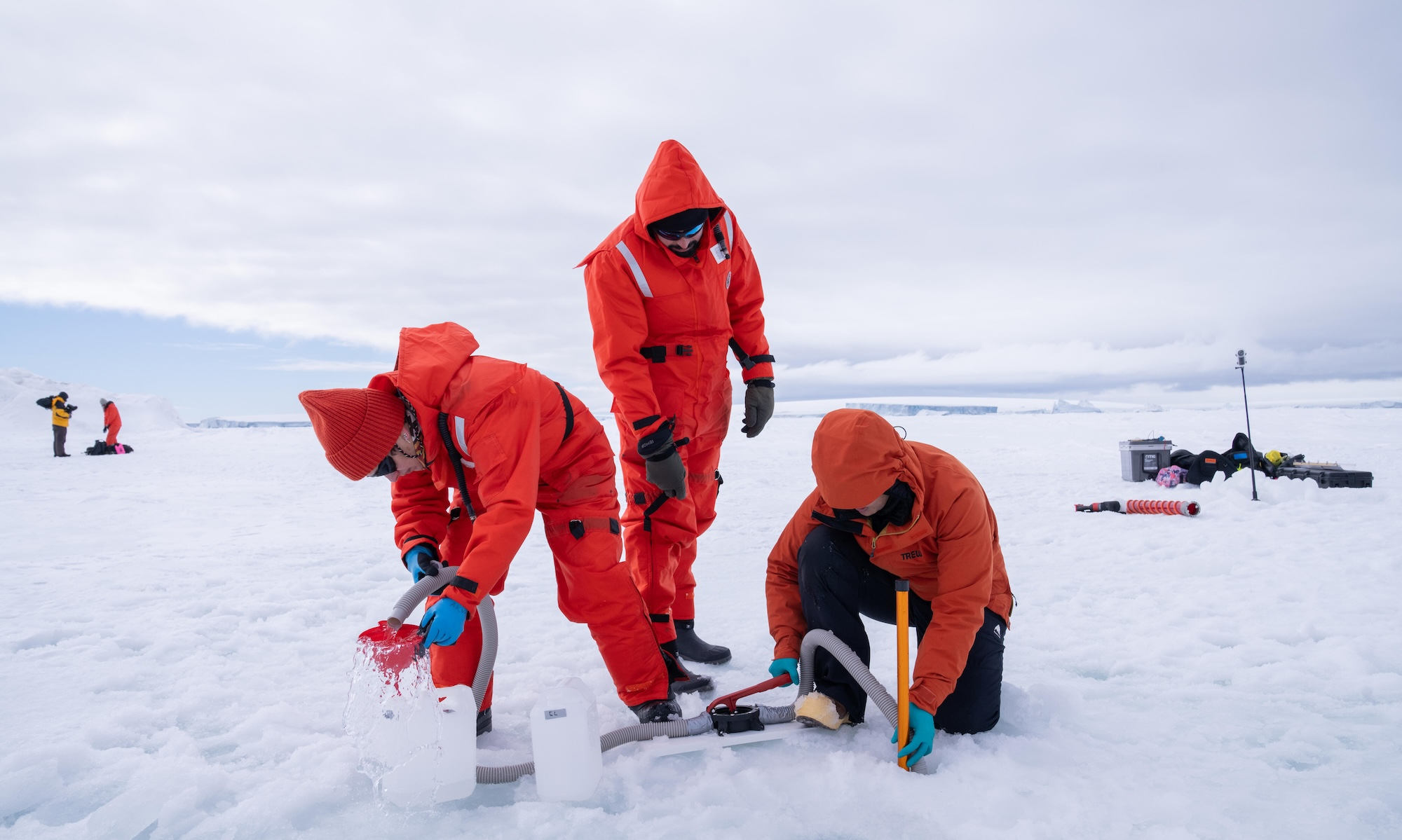
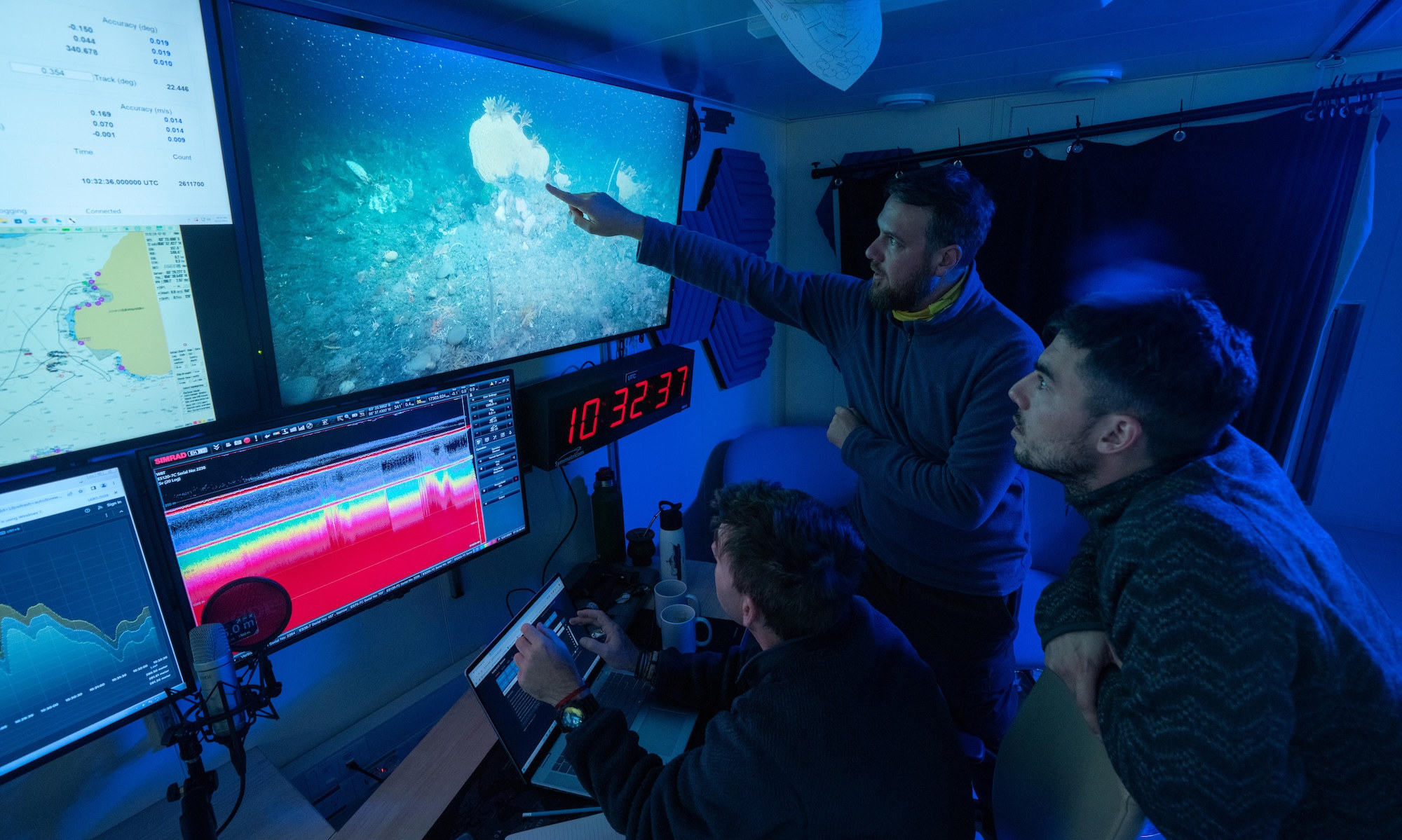
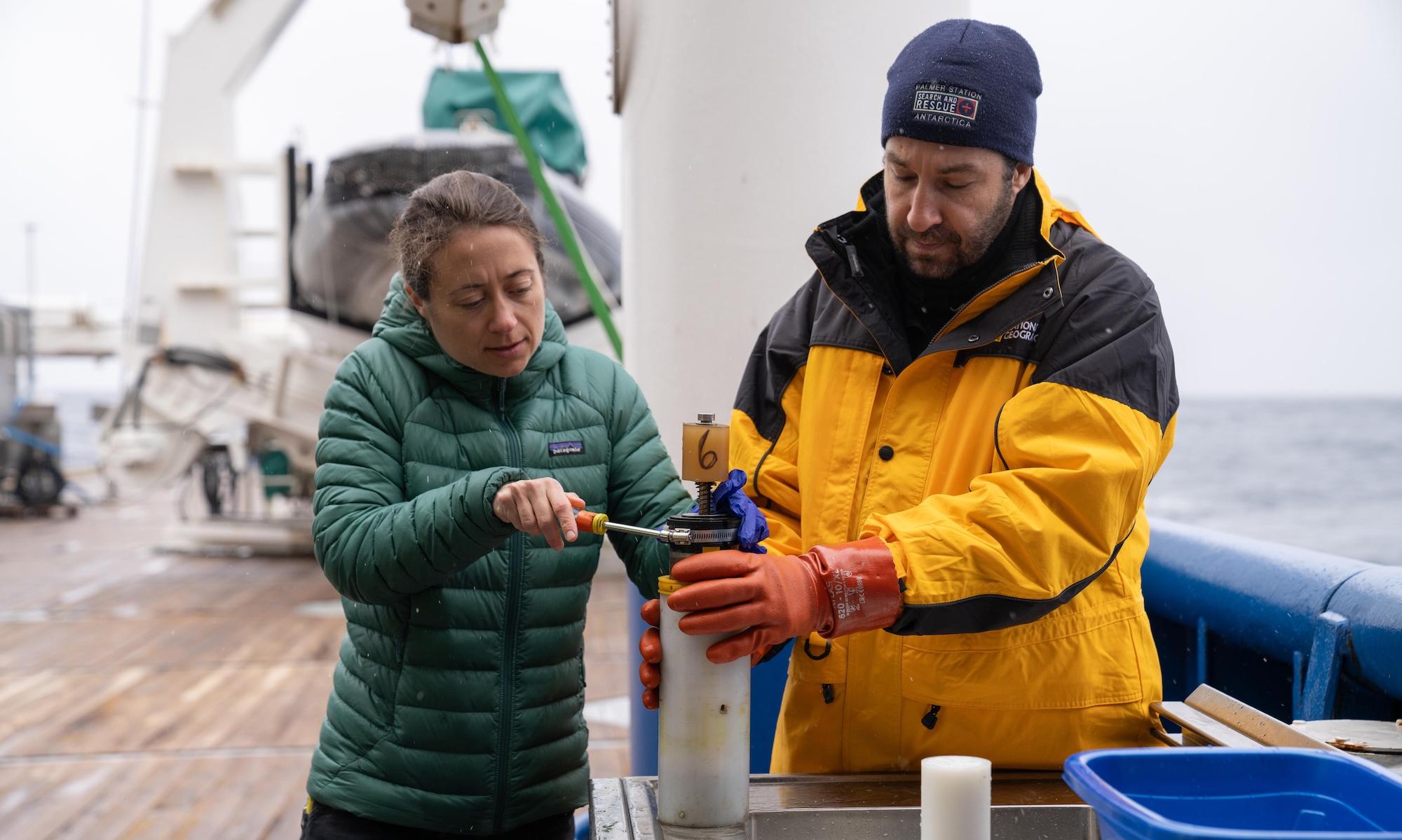
Research and conservation in the Southern Ocean has never been more urgent. In a quest to uncover, document and reveal these vital marine processes, National Geographic Society Explorers, storytellers and educators conducted a multidisciplinary sea ice to seafloor scientific expedition in and around the Southern Ocean’s Weddell Sea in December 2024. The National Geographic and Rolex Perpetual Planet Southern Ocean Expedition’s findings will deepen our understanding of this environment and its many ecosystems and inform conservation efforts essential to maintaining the health of the world’s vibrant ocean.
The expedition was conducted in collaboration with the Schmidt Ocean Institute, which provided National Geographic Explorers the opportunity to leverage the state-of-the art tools and capabilities of the 110-meter global ocean-class R/V Falkor (too) during its maiden voyage to the Southern Ocean.
Arctic
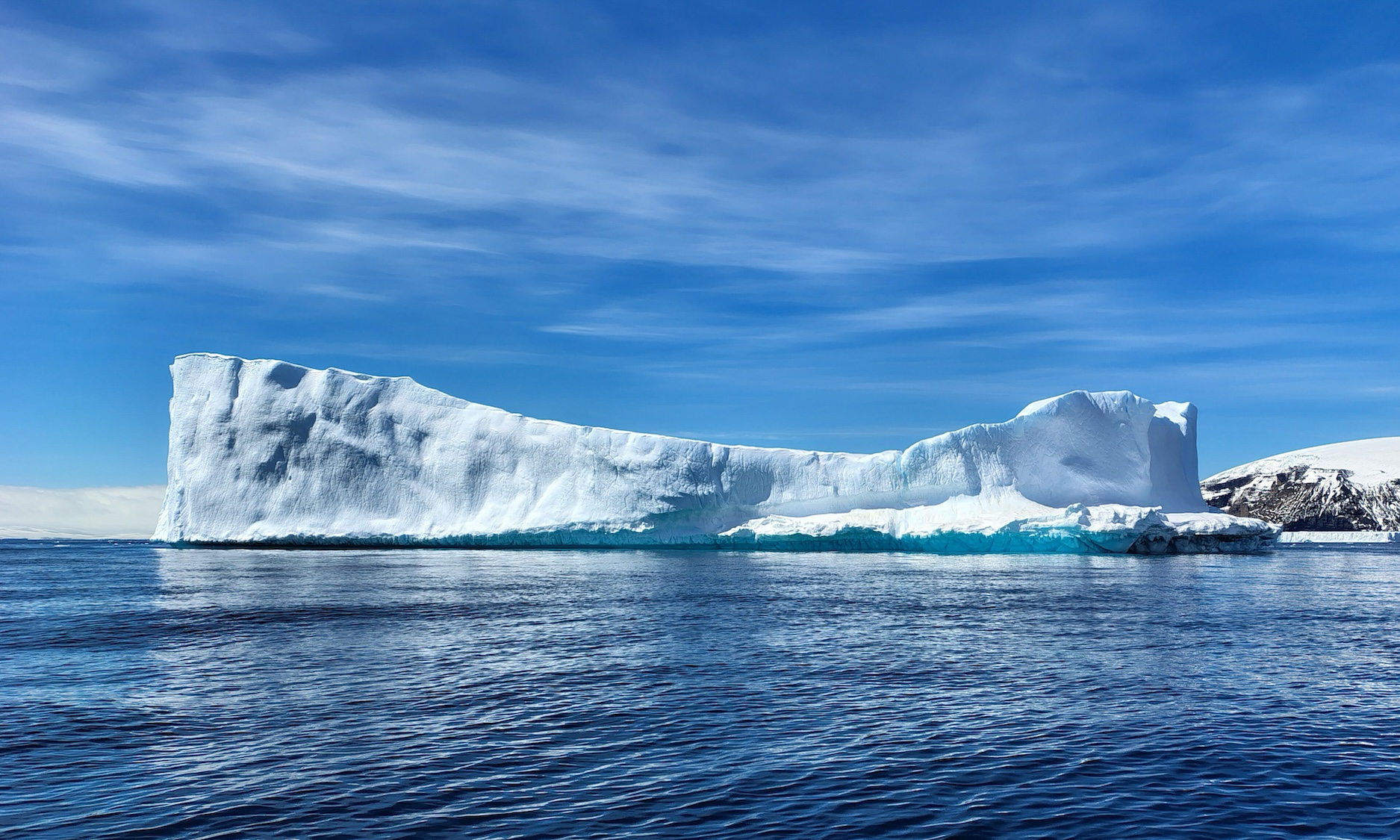
The Arctic is warming up to four times faster than the global average. Melting ice on land and on the ocean is driving unprecedented changes in Arctic landscapes for the four million people who live there while disrupting global environmental systems. The region is key to understanding the consequences of rising ocean temperatures and future impacts on the rest of the planet.
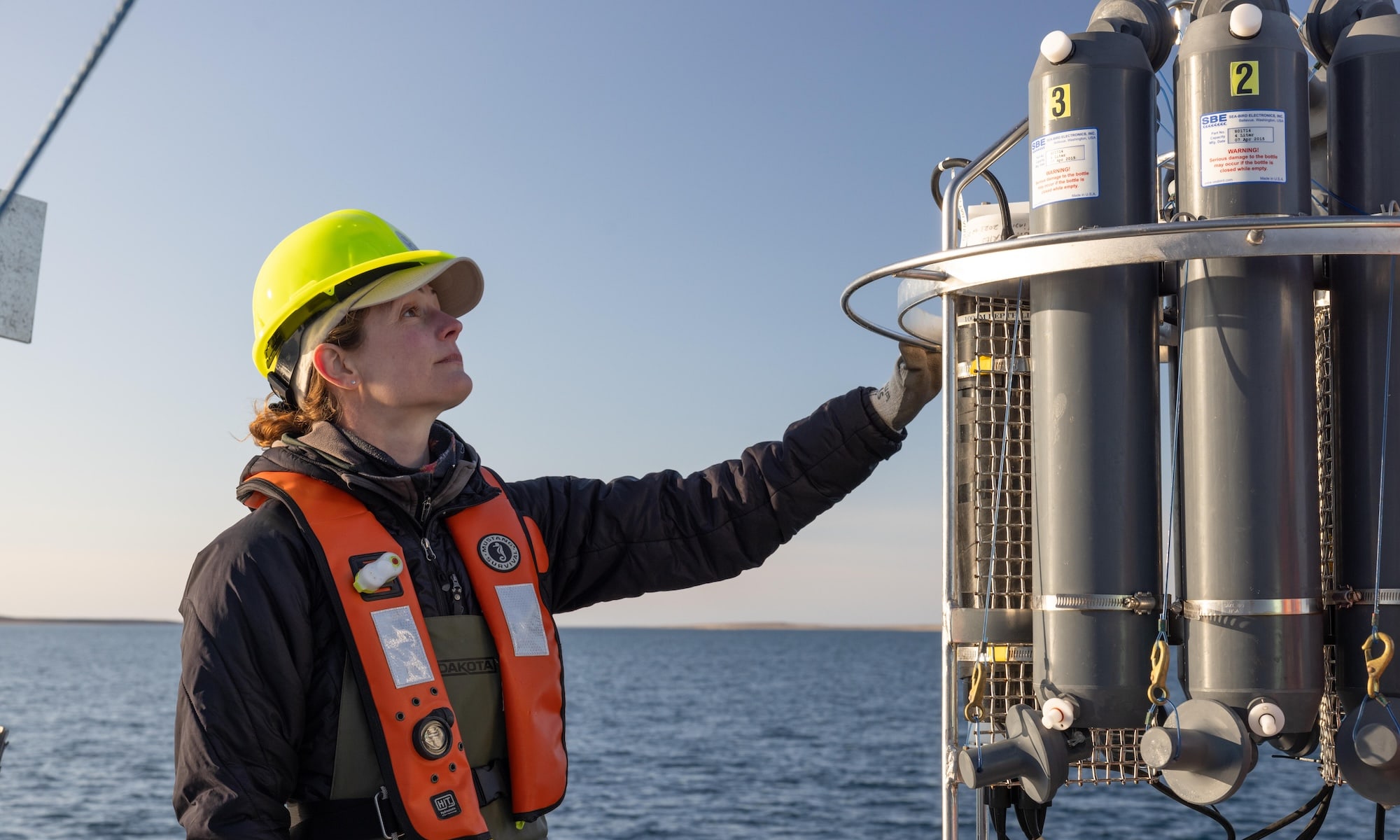
Sherman Basin, located in the Kitikmeot Sea in the southern Canadian Arctic is a region of critical importance to the marine food security and cultural identity of local Inuit. Understanding this region in close collaboration with the local community may inform how to generate solutions to support Arctic ecosystem resilience in the face of a rapidly changing and warming Arctic.
Pacific
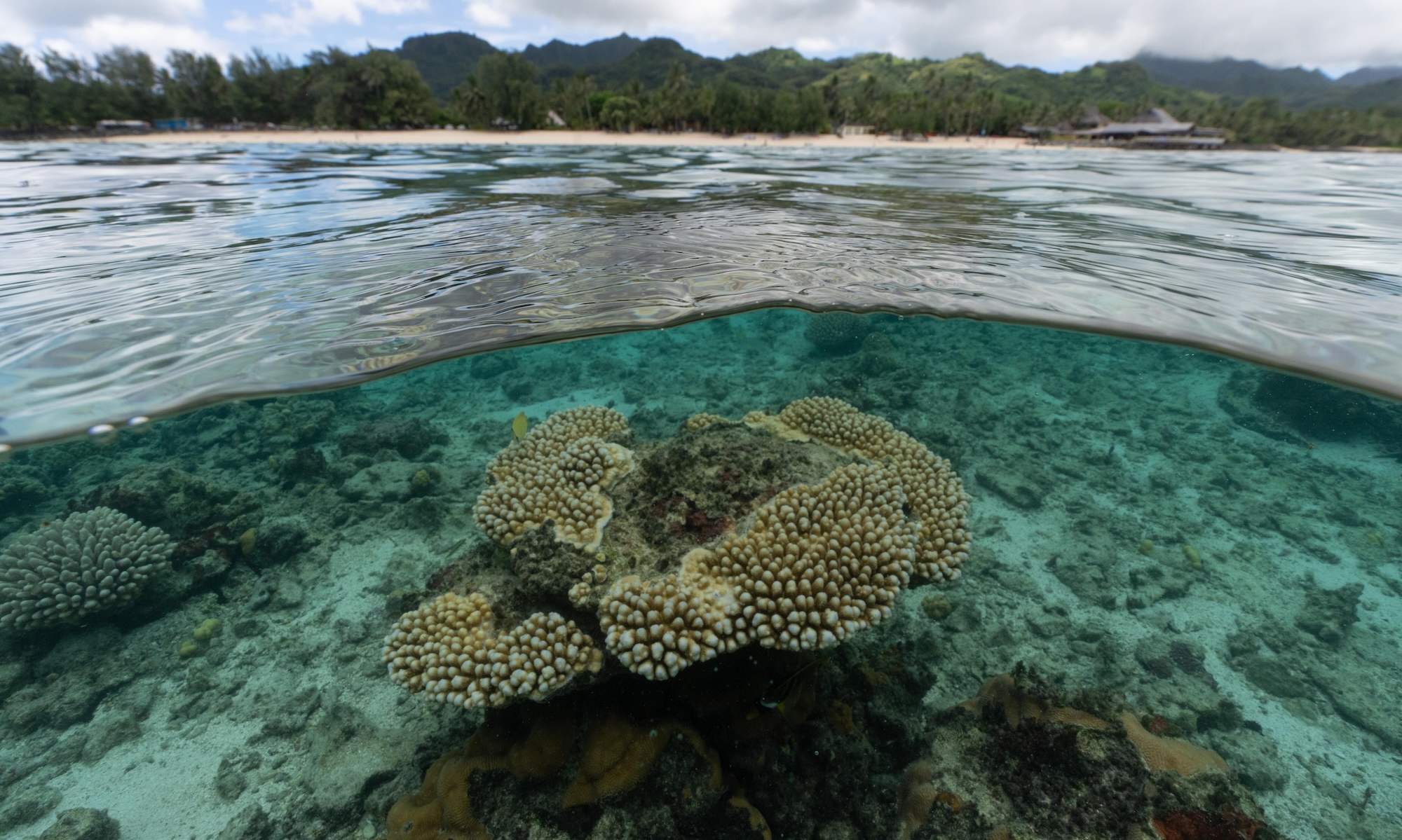
The Pacific Ocean is the largest and deepest ocean on Earth, spanning over 60 million square miles and more than 25,000 islands. The Pacific Ocean is also home to many thousands of coral reefs dotted across its vast expanse. Scientists estimate that it may hold as many as half a trillion individual corals — as many corals as there are trees in the Amazon. These corals are vital to sustaining ocean health.
Pacific Islands are also the birthplace of Polynesian wayfinding, an ancient tradition of sailing that connected island communities across thousands of miles of open ocean using only the stars, the sun and the sea for navigation. But the Pacific Ocean, like its many traditional wayfinding and coastal cultures, is increasingly vulnerable. Environmental challenges threaten the vitality of our largest ocean and the livelihoods and cultural traditions that have centered on its abundance.
Cook Islands: Saving Rarotonga’s Reefs
Coral reefs cover less than 1% of the sea floor but support 25% of all marine life. Understanding these fragile ecosystems is vital to create solutions to the threats they face. Explorer and marine ecologist Anya Brown is investigating heat resilience in corals to inform solutions to better protect heat sensitive coral reefs. She is partnering with local group Kōrero O Te `Ōrau, led by marine biologist Teina Rongo, Ph.D., to protect and restore Rarotonga’s coral reefs and increase their resilience to bleaching events.
Moananuiākea: Voyage for Earth
This expedition will bring together Explorers and Navigators Nainoa Thompson and Lehua Kamalu and the crew of the voyaging canoe Hōkūlea, combining traditional wayfinding with cutting-edge scientific research technology. Together, scientists and traditional voyagers will gather critical data and insights about the challenges facing the Pacific waters helping inform protection and conservation efforts.
Atlantic
The currents of the Atlantic Ocean, the Earth’s second largest ocean region, form a vast engine of ocean circulation, redistributing these waters’ life-sustaining oxygen and nutrients, and circulating warmer waters that influence global weather patterns.
Coastal Mangroves of the Gambia
Sea level rise around the coastal capital of The Gambia is expected to increase up to half a meter in the next 25 years fundamentally impacting the more than half a million people that live nearby and the area’s food security.
Explorers Margaret Awuor Owuor and Maiyai Taal Hocheimy, joined by fellow Explorers Angelo Bernadino and Yvonne Wambui, Young Explorer Betty Jahateh and a team of scientists, launched an expedition in the Atlantic Ocean from the mouth of the Gambia River to study its mangroves and their crucial role in supporting biodiversity, food security and protection against the impacts of sea level rise. Collecting some of the first data from Gambian ocean waters paired with biodiversity and environmental studies and ecosystem resource mapping, they hope to support community efforts to conserve the mangrove habitats that are critical to local livelihoods and planetary health.
Indian
The Indian Ocean makes up 20% of the Earth’s surface and is a globally important fishery. Over two billion people live in the countries that surround the Indian Ocean, but largely due to a regional lack of access to technology, these waters remain understudied. The Western Indian ocean is the fastest warming tropical region on the planet. This warming has led to decreased oxygen levels and lower phytoplankton production — a key to the marine food web and marine biodiversity. As ocean warming intensifies, urgent scientific data of this rapidly changing marine region is critically needed and harnessing local expertise is essential.
Protecting Seychelles' Deepest Waters
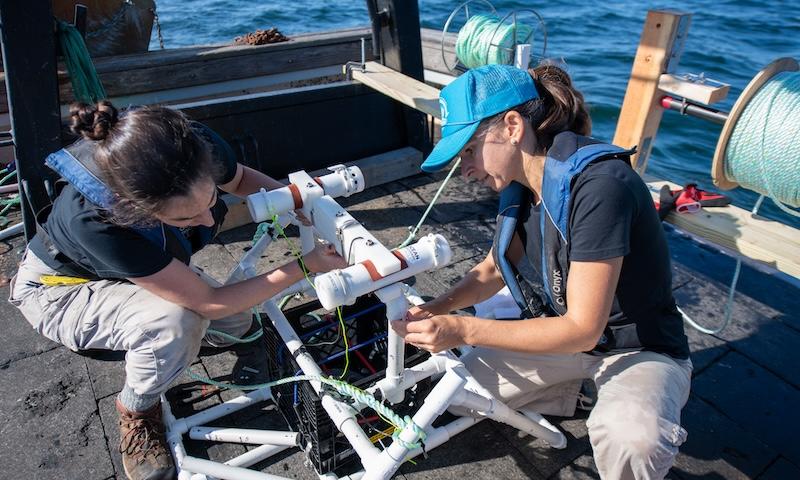
Explorer Sheena Talma is spearheading the first locally driven deep ocean expedition in her home country, Seychelles. She is working with local and international collaborators to deploy custom-built deep-sea camera systems to gather vital data on marine wildlife in key fishing areas to inform sustainable fisheries management and deepen understanding of the region’s largely unexplored deep-sea ecosystems. The expedition will document the populations and habitats of marine wildlife and the threats they face to inform protection of species like rays, sharks and squids that thrive in this region, as well as emphasizing the fisheries’ critical role in supporting local communities.
Deep Sea
An estimated 66% of the Earth is deep ocean. The deep seafloor is rich in biodiversity that provides critical benefits to the planet including producing over half of the world’s oxygen. Despite its importance, we have only seen 0.001% of the deep sea — an area roughly the size of the U.S. state of Rhode Island. This, combined with the worsening impacts of human activities that are increasingly threatening these ecosystems, makes accelerating and expanding deep ocean research urgent.