Biodiversity in the Basin
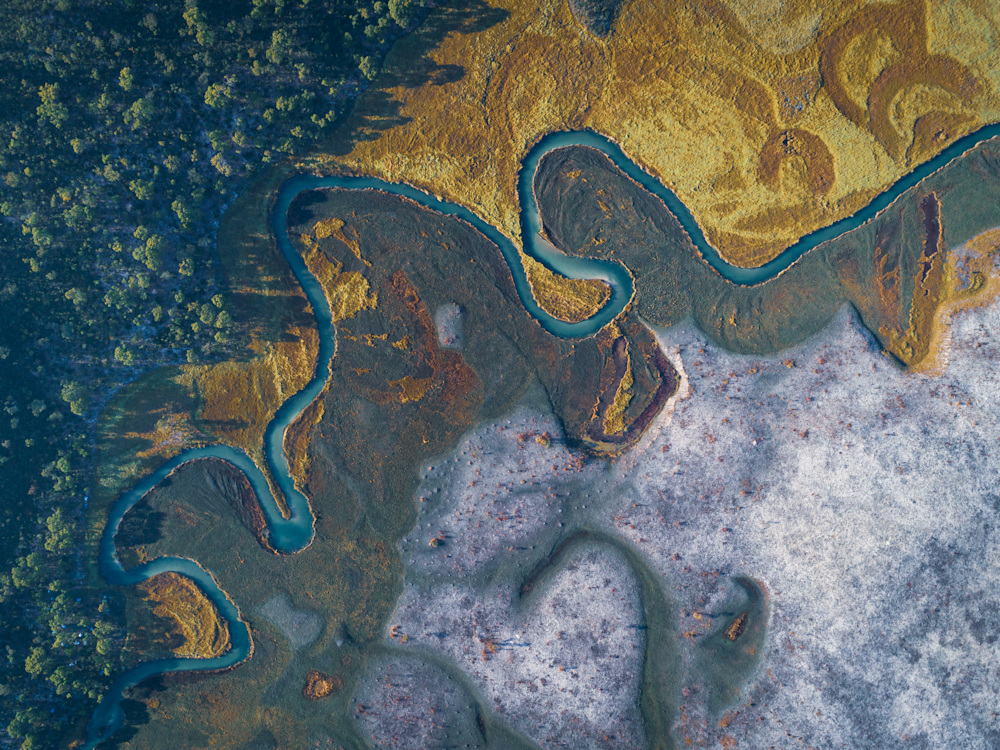
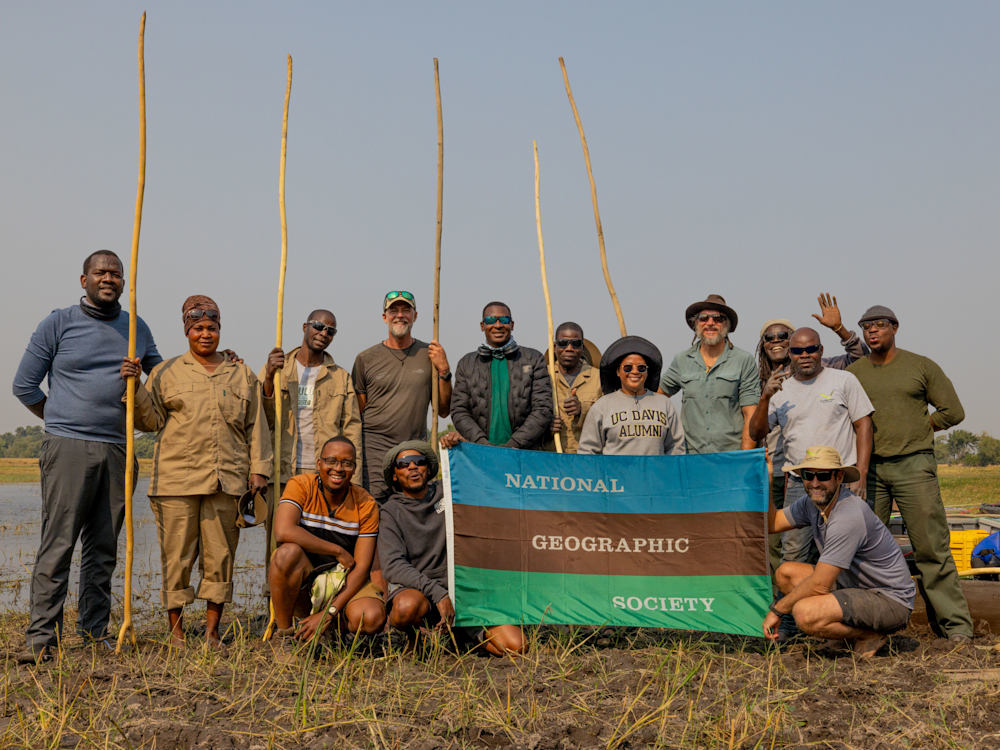
The Okavango Delta is one of the largest freshwater wetlands in southern Africa and is home to over 1,000 species of plants, more than 480 species of birds, 130 species of mammals and numerous species of reptiles and fish. In the Angolan highlands, where the source of the Okavango originates, National Geographic Okavango Wilderness Project has recorded 73 new species to academic science, at least 275 potentially new to academic science and 300 never previously recorded in Angola.
Birds
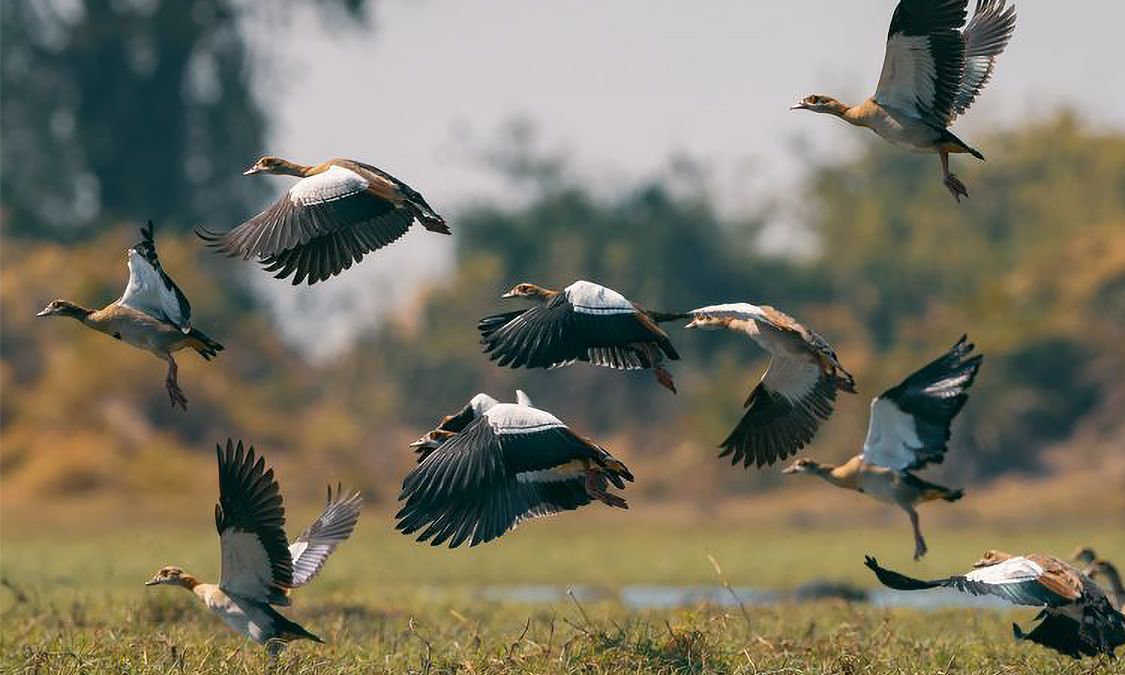
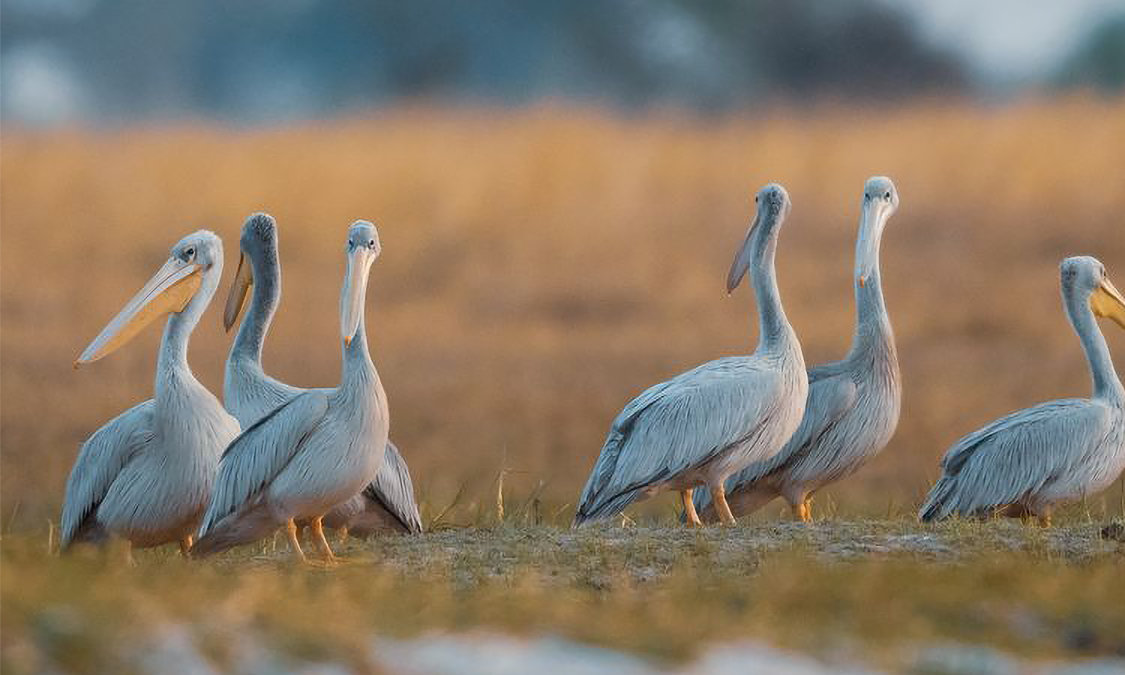
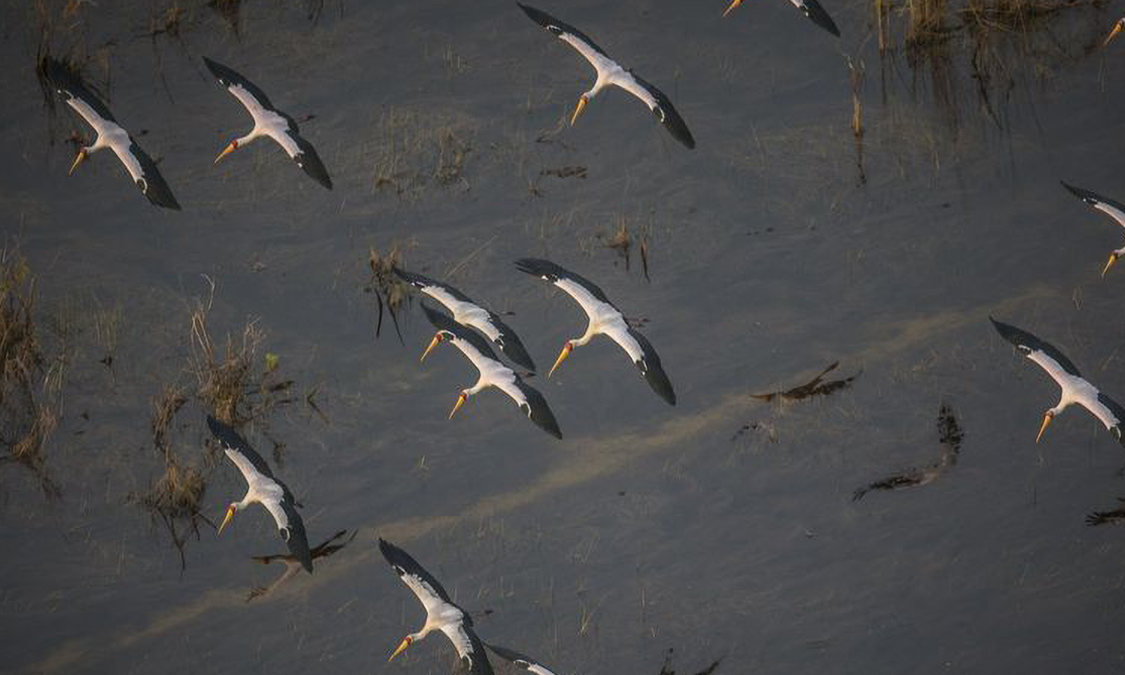
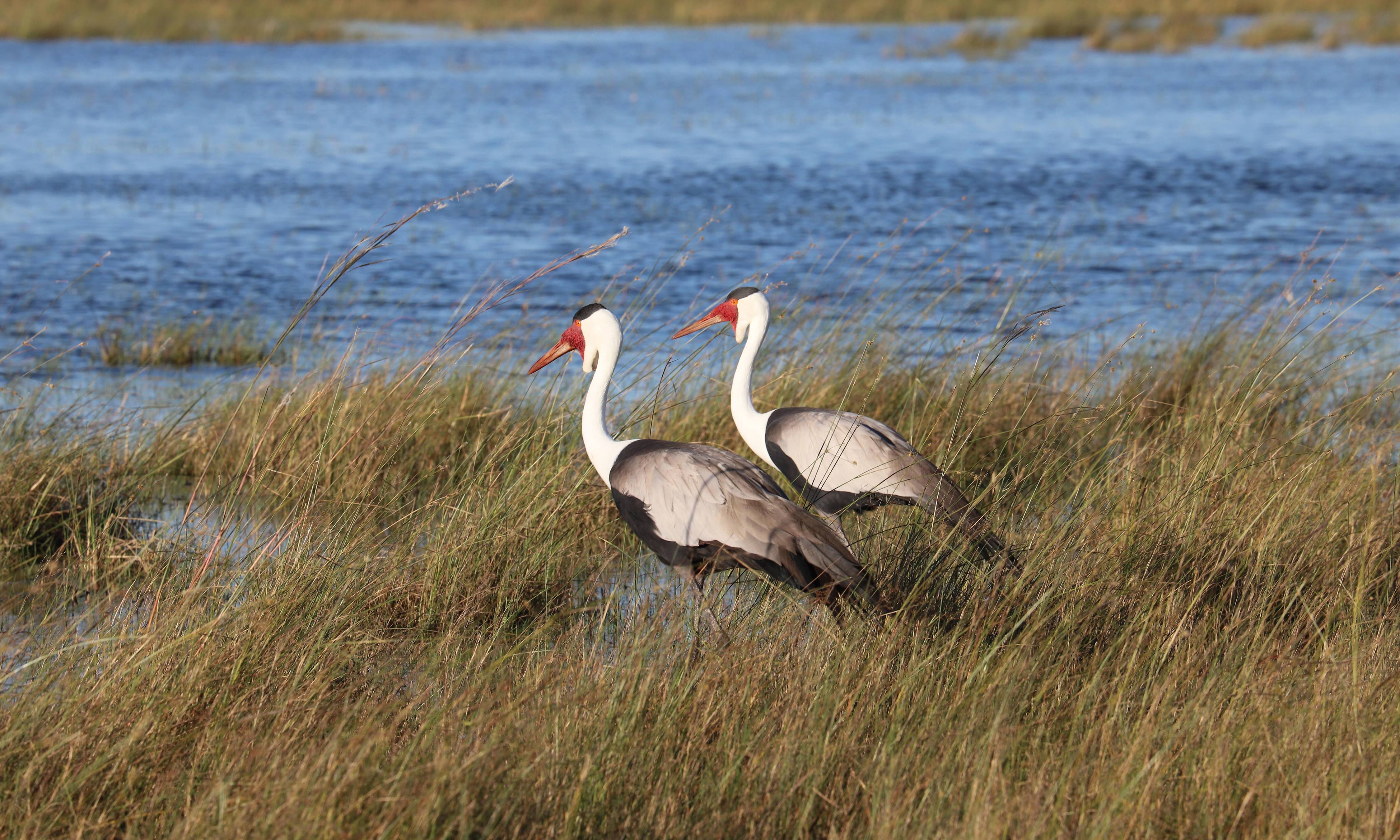
The Delta is recognized as an Important Bird Area by BirdLife International as it is home to 24 species of globally threatened birds. The expedition team has documented 480 bird species, including four new species records for Angola, and collected data for 66 range extensions. Their bird surveys continue to add important data to the regional bird list, including a newly discovered breeding population of the vulnerable wattled crane.
Mammals
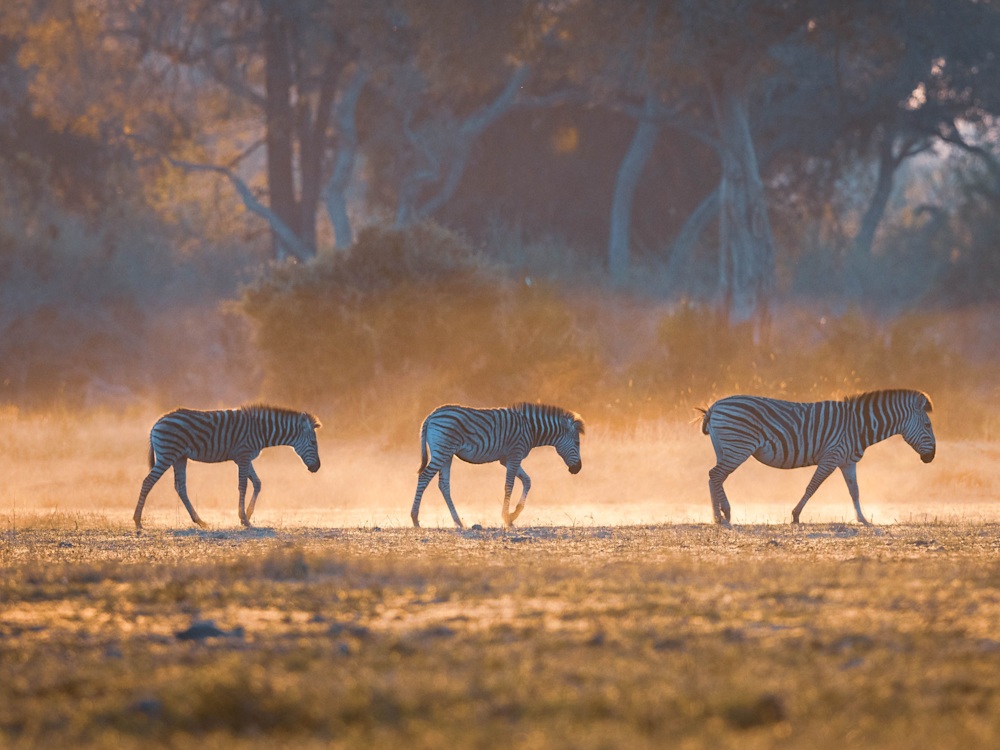
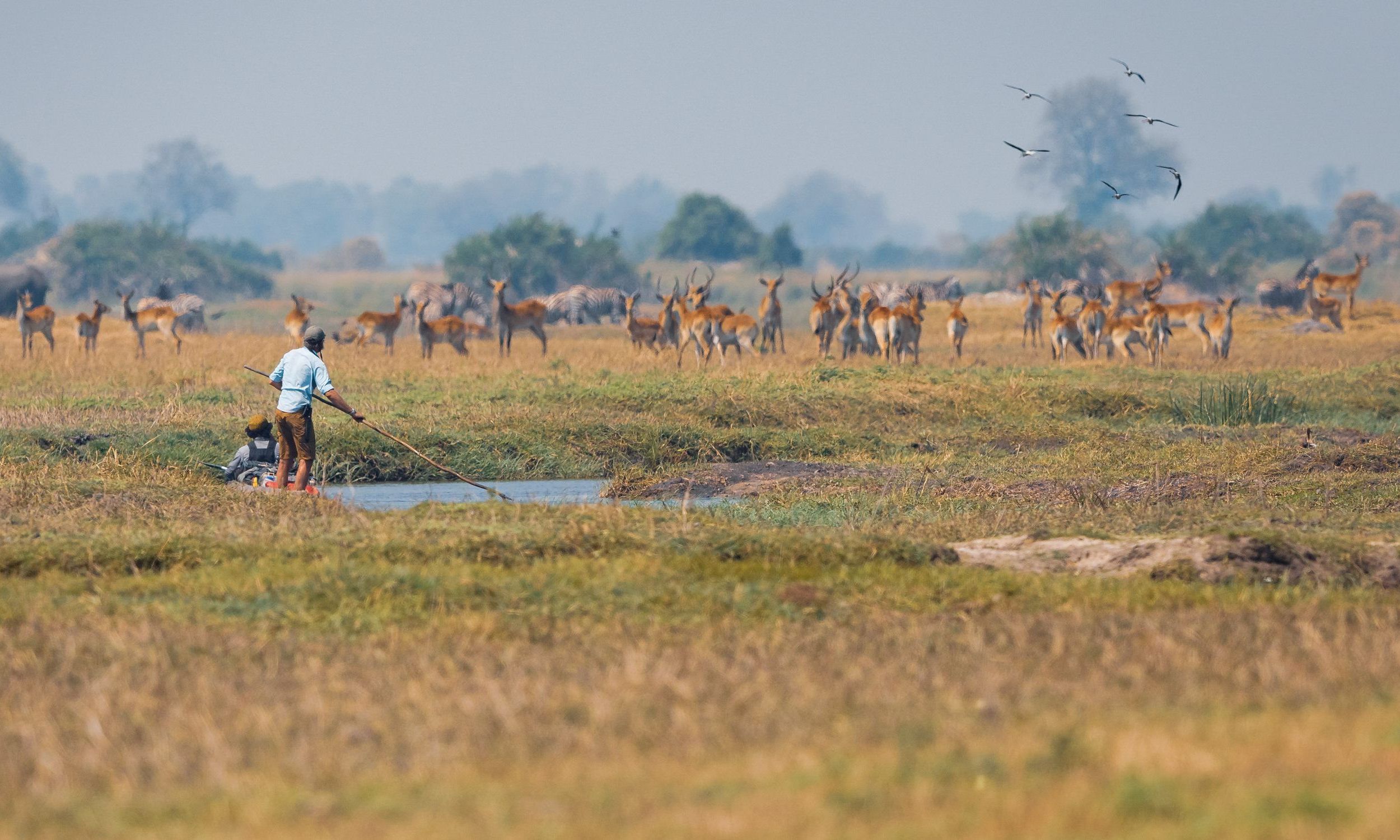
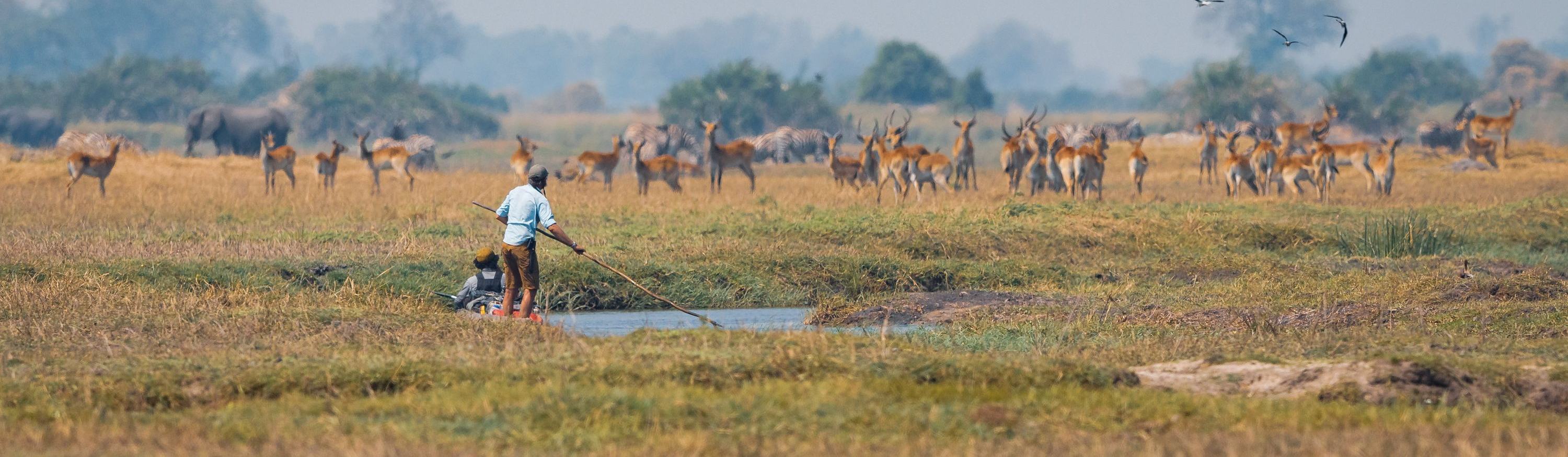
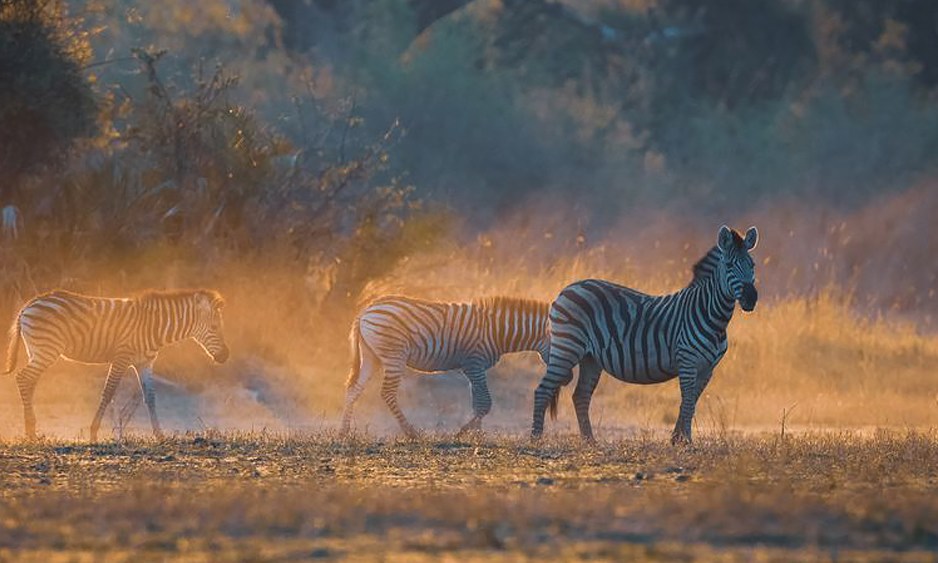
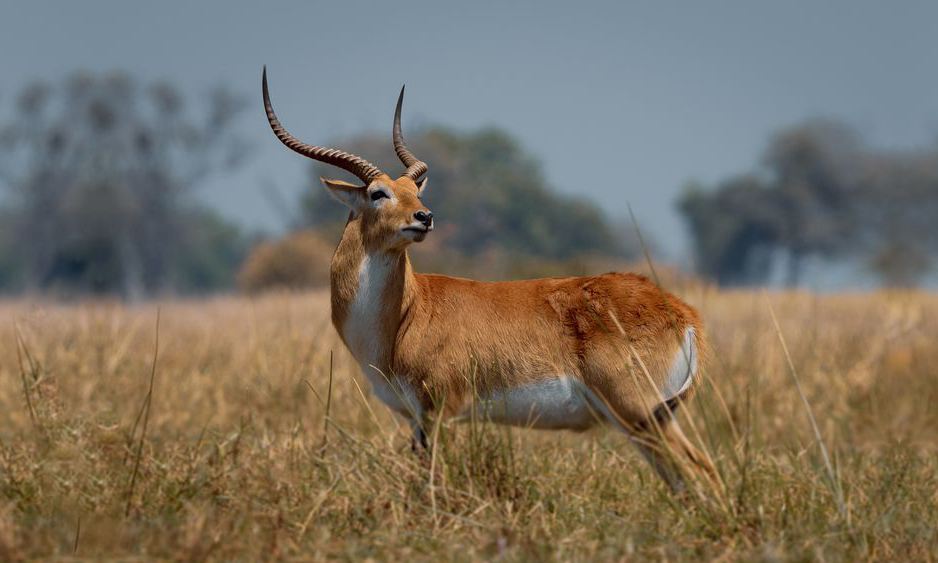
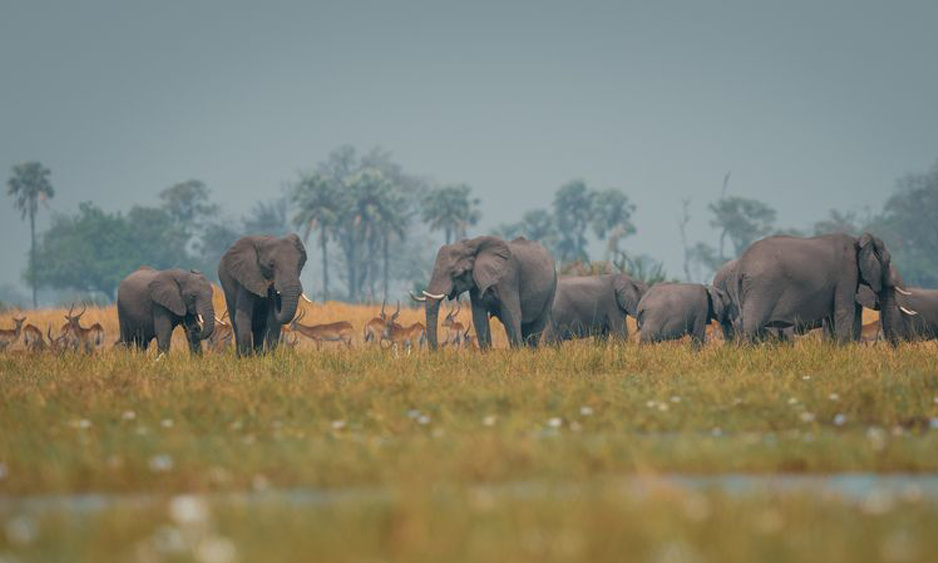
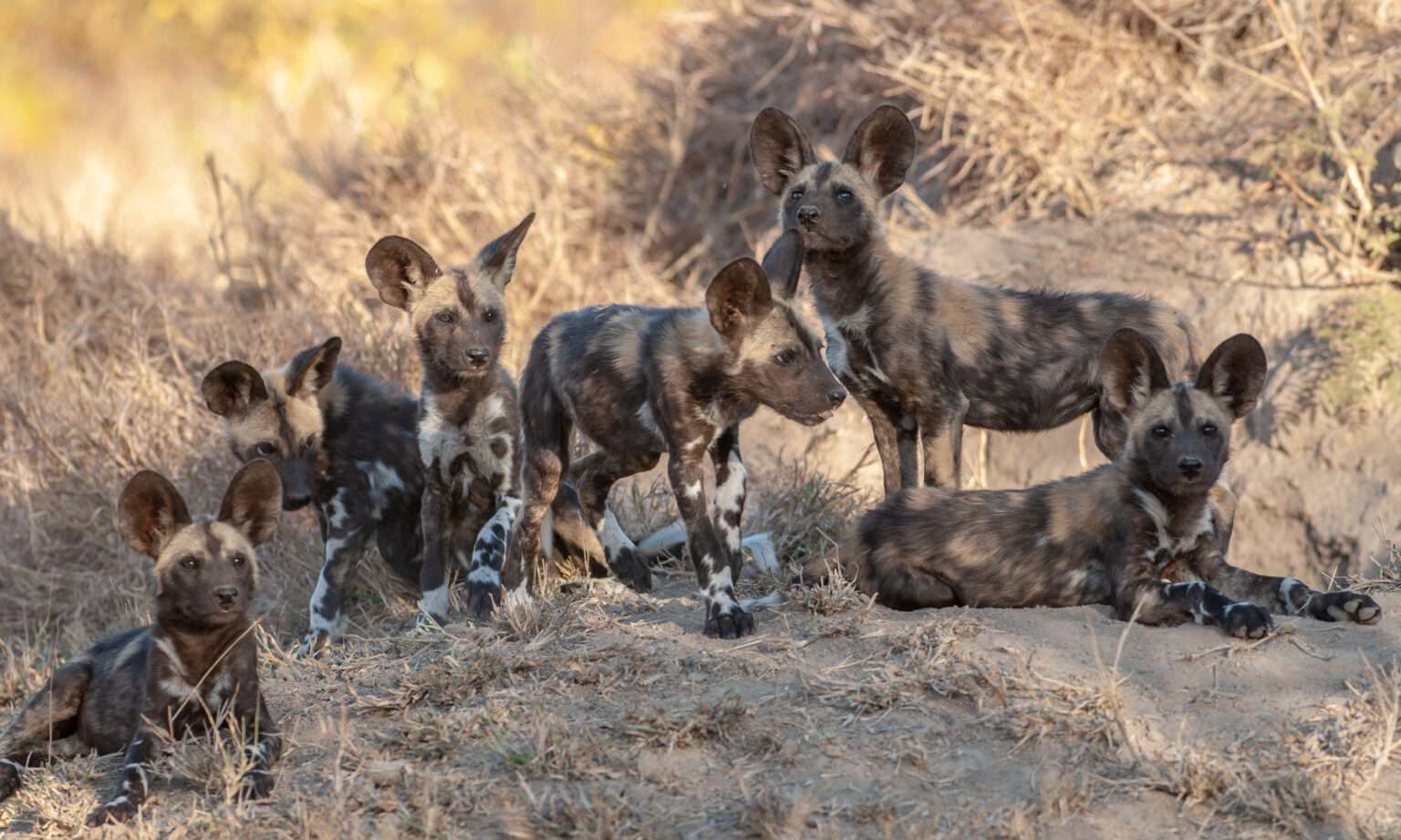
Leopards, spotted hyenas, red lechwe, roan antelope and sitatungas are widespread across the Okavango Delta. It is also home to stable populations of elephants and lions and populations of endangered animals like cheetahs and African wild dogs.
The National Geographic Okavango Wilderness Project’s camera traps confirmed the presence of the lion, cheetah, leopard, and critically endangered African wild dog in areas as far north as the Cuito and Kembo Rivers’ source lakes. This has led to the expansion of the known range for wild dogs and cheetahs.
Another of the team’s camera traps recorded the first confirmation of sable antelope around the source lake of the Cuanavale River, a location more than 300 kilometers north of their current range. This has sparked new scientific discussion on the relative distribution of this species.
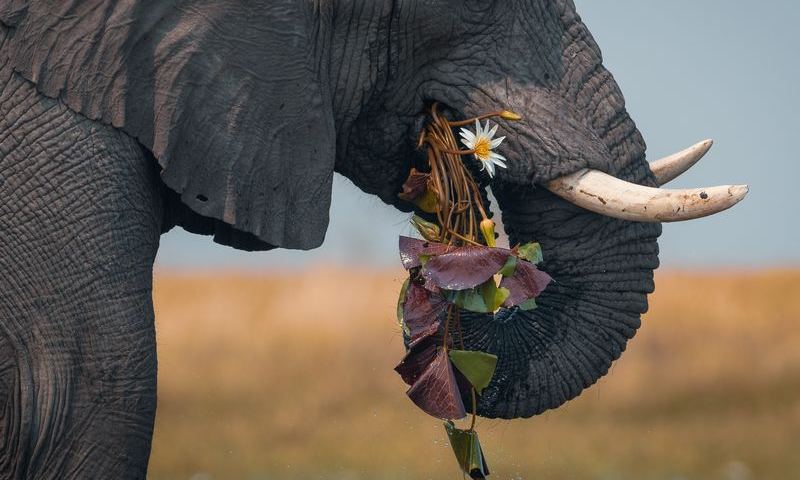
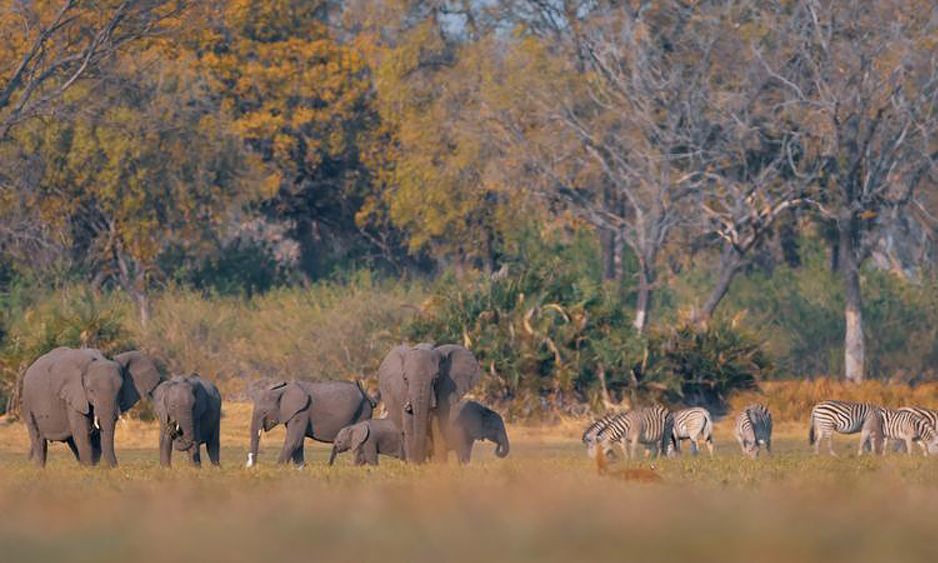
The crown jewel of the Delta is the one of the largest populations of elephants on the planet, whose movements shape and reshape the Delta’s channels.
The team confirmed the presence of elephants in the upper reaches of the water tower, between the Cuito and Cuando Rivers. This observation indicates that remnants of the great, historic Angolan population still survive and can once again flourish if the area is protected. This could help reduce the ecological pressures that Botswana’s large elephant population is exerting on the environment, which exceeds its carrying capacity, due in part to the Angolan population taking refuge there from poaching and the country’s civil war. Securing a home in Angola for these elephants would allow them to safely migrate back into the Okavango-Zambezi Water Tower.
Plants
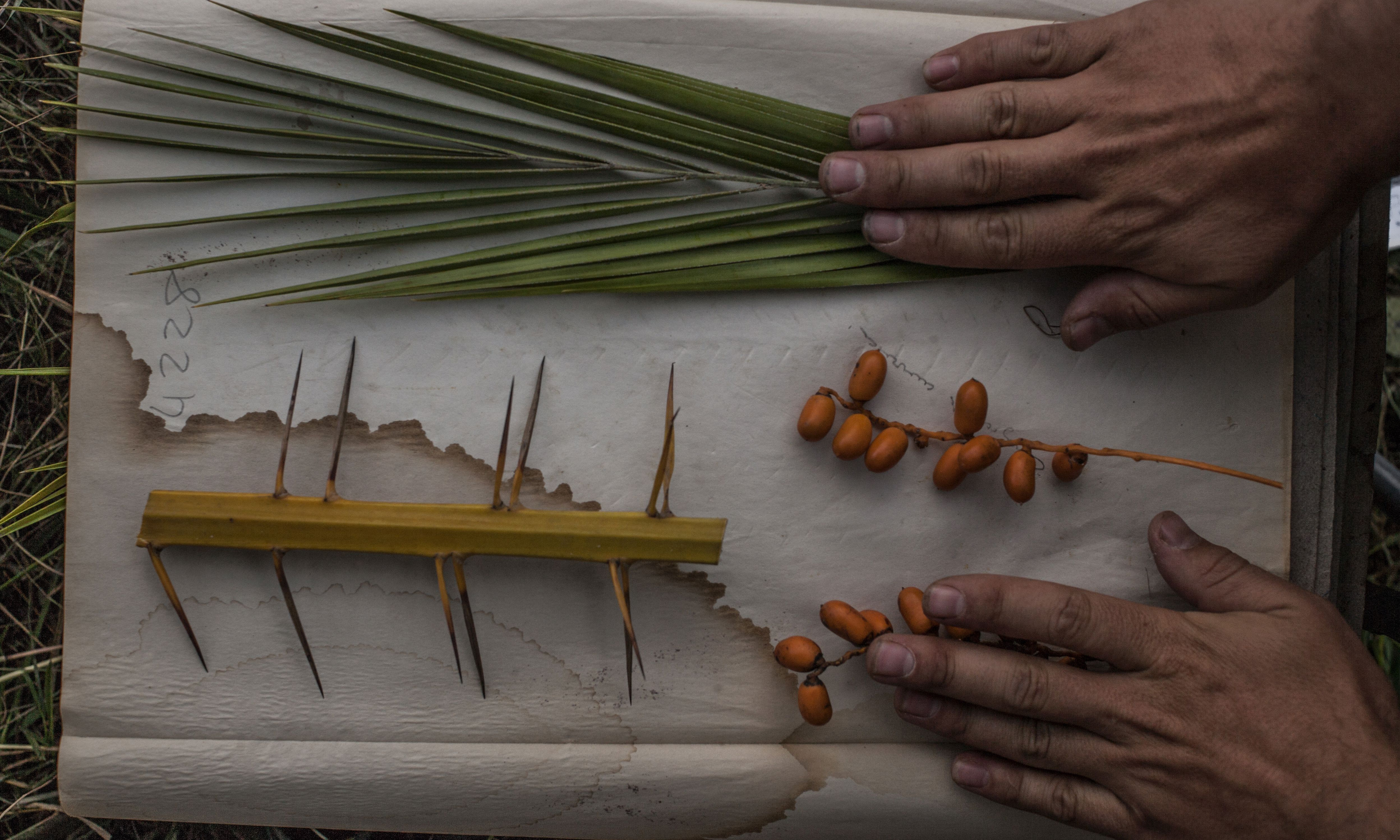
The team’s comprehensive surveys have resulted in the documentation of five plant species new to academic science, 11 potentially new to academic science and 28 species never previously recorded in Angola, filling one of the largest gaps in botanical knowledge on the African continent.
The team also identified previously undocumented, large-scale stratified peat deposits surrounding the source lakes and rivers. These extensive peatlands act like a giant sponge absorbing both carbon dioxide and water, which is essential for sustaining the year-round flow of freshwater into the Okavango, Cuando, Zambezi and Kwanza Rivers and ensuring that fish and wildlife can endure prolonged periods of drought.
People and Communities
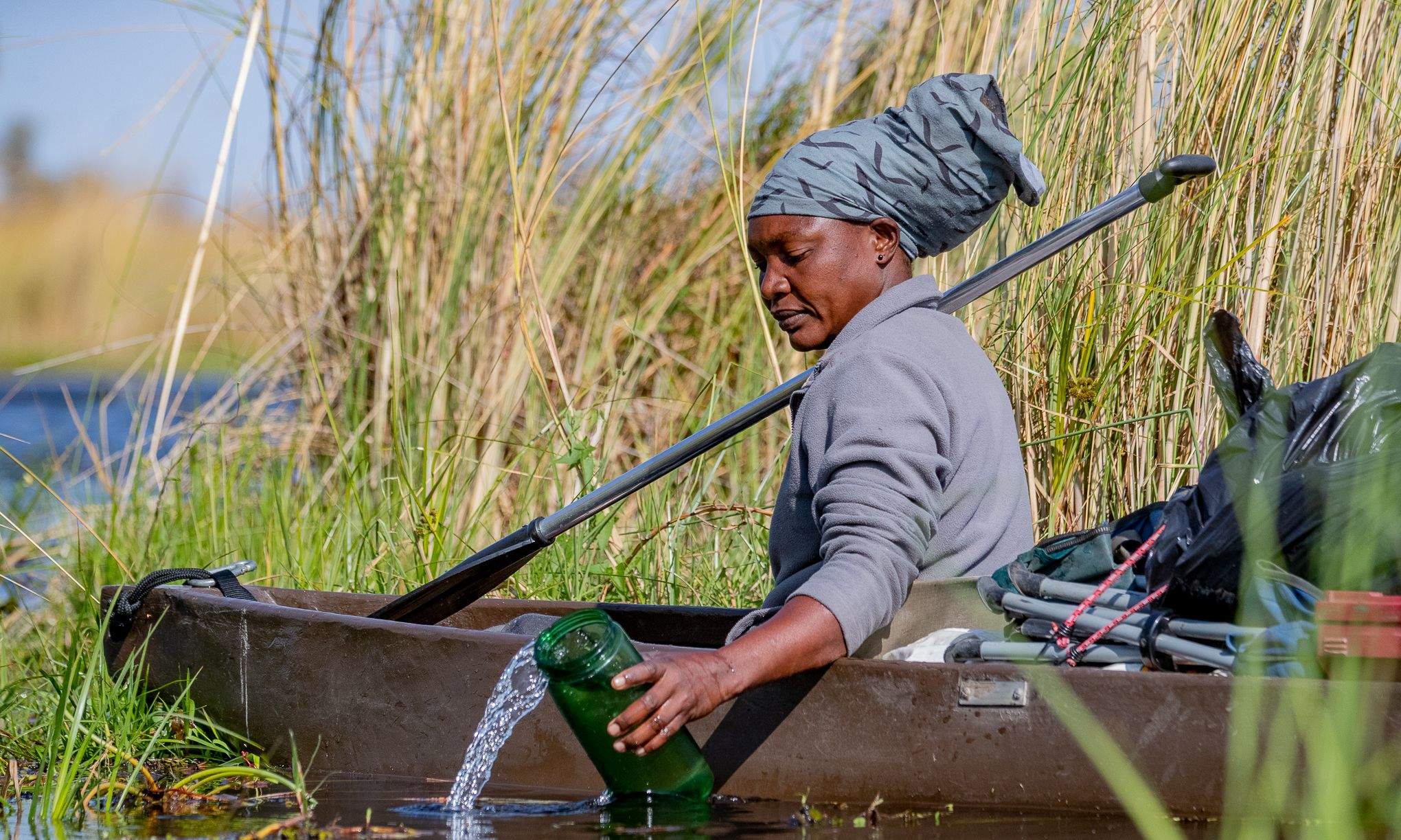
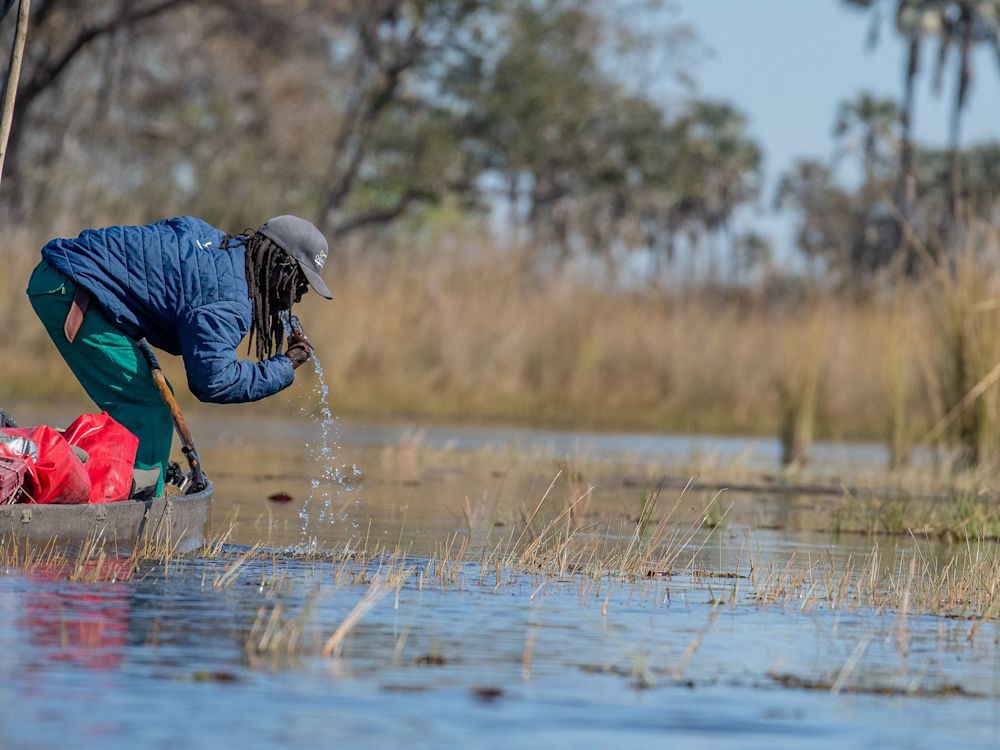
The Okavango River Basin is the main water source for one million people across Angola, Namibia and Botswana. The Delta is also a major tourist attraction, and provides an important source of income and employment for people living in the communities along the river.